All right — it’s time. I’ve talked about Signature Plastics Keyboards’ (“SPK”) medium-height, sculpted, cylindrical profile, DCS. Now, I’m talking about my favorite medium-height, sculpted, spherical profile, SPK’s DSS, and comparing it with GMK’s medium-height, sculpted, spherical profile, MTNU (pronounced “Empty”-“new”).
Introduction
Like its cousin DCS, DSS is manufactured exclusively by US-based SPK in Custer, Washington. SPK’s predecessor, Comptec, first introduced the profile in 1982, around the same time Comptec was the largest independent keycap supplier in the world.
Despite its roaring success in the late seventies and early eighties, Comptec hit tough times within a decade of DSS’s debut. In 1991, Comptec shuttered some of its international facilities and transferred all of its tooling to the current Custer facility. Eventually, however, Comptec’s Division Manager, Bob Guenser, accepted a manger buy-out offer and formed SPK in 2001.
Over the next fifteen years, SPK continued to make keycaps, with 3/4 of its revenue generated by SPK’s commercial business in the POS systems, inventory tracking systems, and custom keyboard space, and 15% from the medical, aerospace, defense, and broadcast industries.
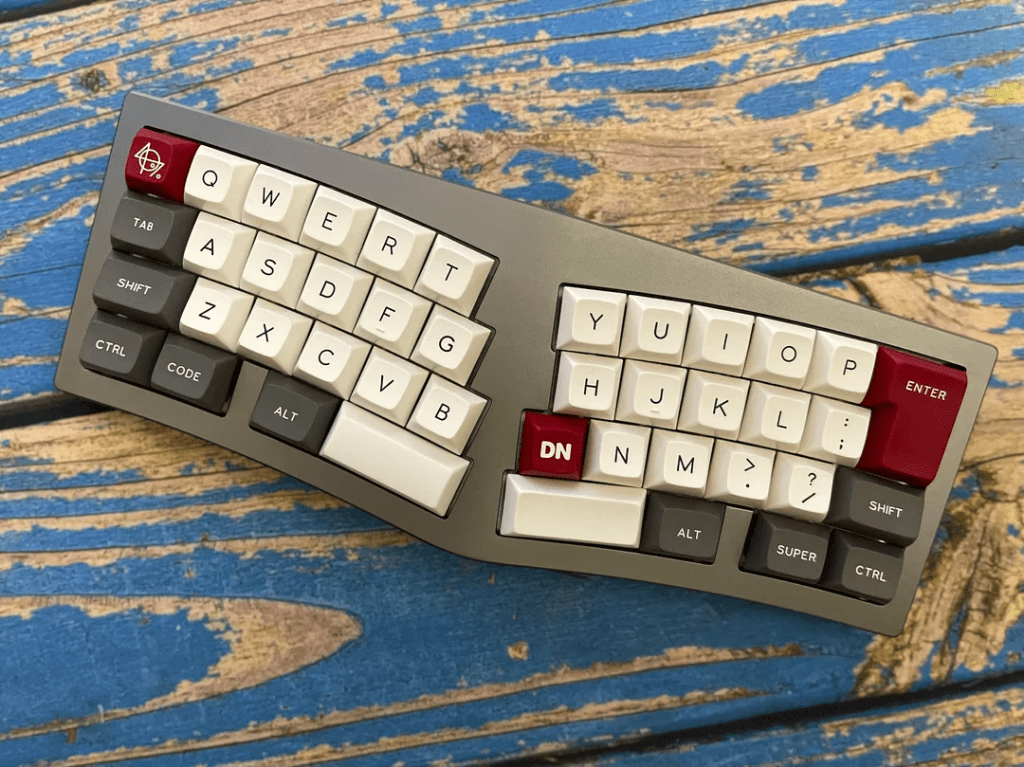
In 2013, SPK began to focus on retail, and the mechanical keyboard community started running group buys of SPK keycaps. Then, in 2018, it reintroduced DSS.
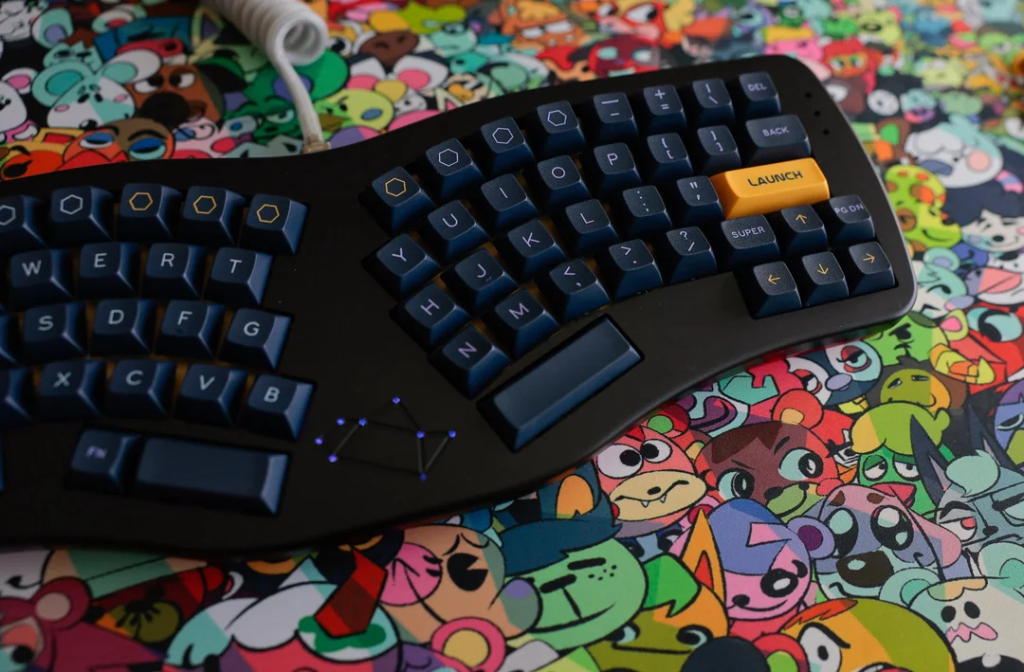
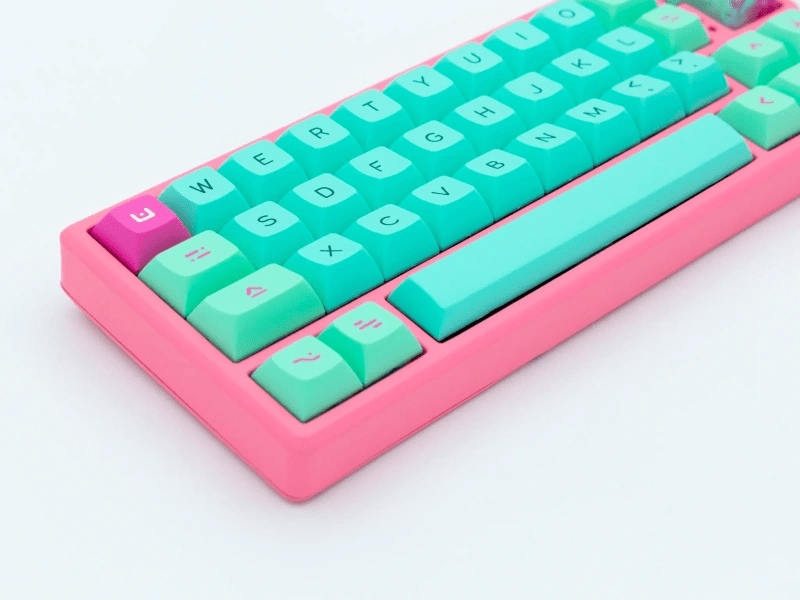
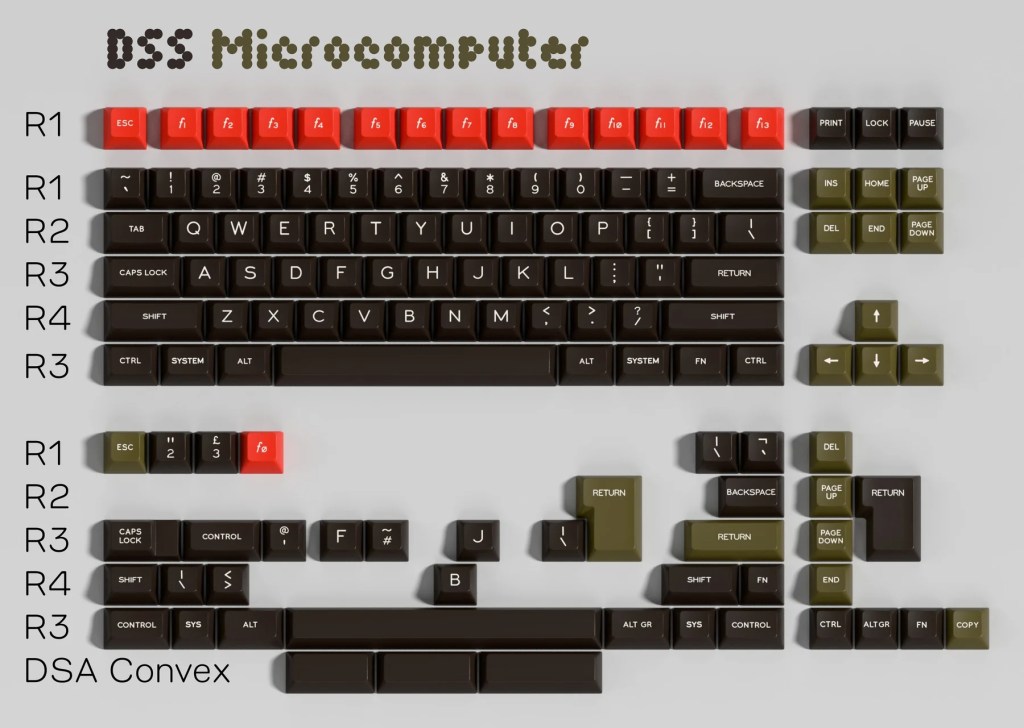
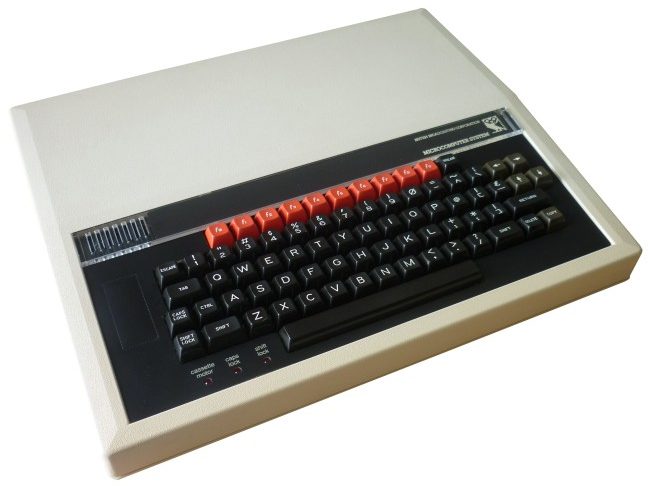
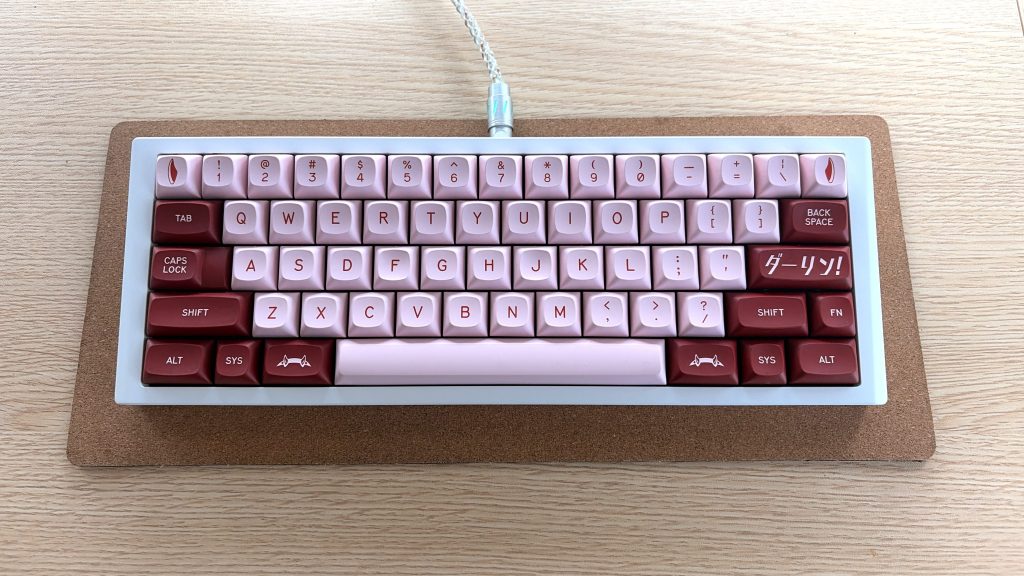
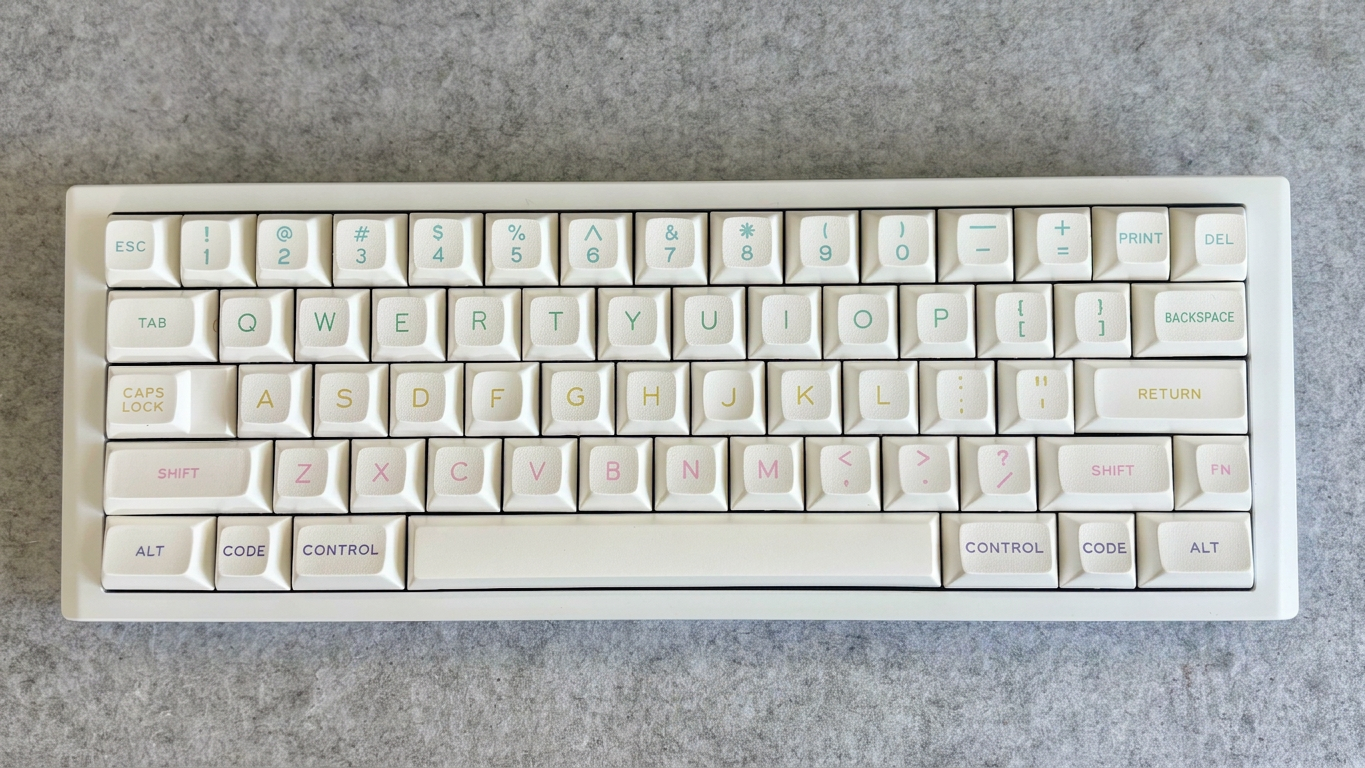
Since SPK’s turn to retail, SPK has manufactured over 300 unique keycap sets. However, very few of those hits have been DSS as of late. Most recent sets have been for 40s layouts only; the most recent full kit was DSS Microcomputer, an homage to the 1981 BBC Microcomputer Model B.
Before that, SPK released DSS Dolch and DSS Tecla. However, it doesn’t seem like these sets picked up much momentum. DSS has largely fallen by the wayside, which is a damn shame. If I could manifest a DSS resurgence, I certainly would.
Specs
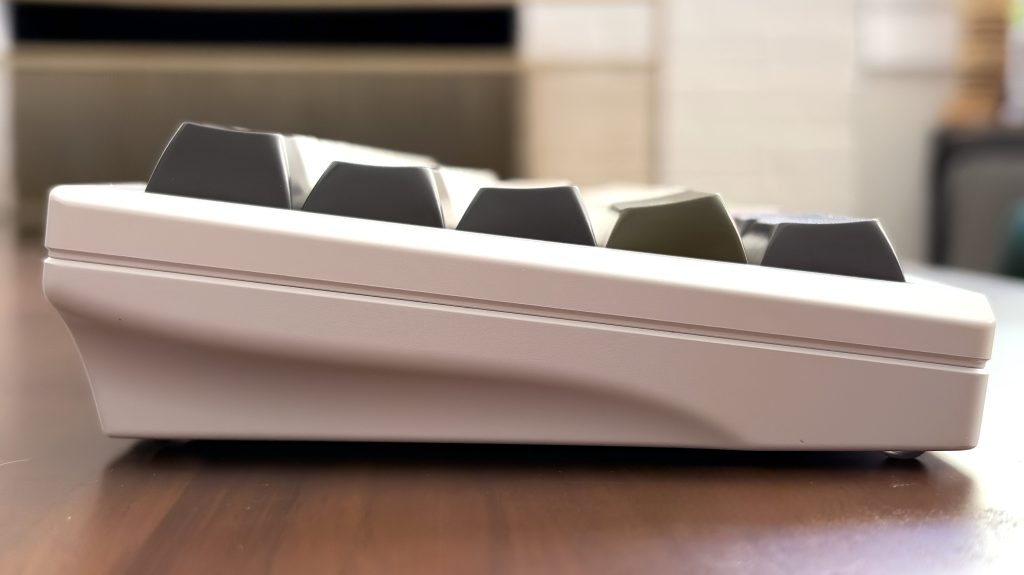
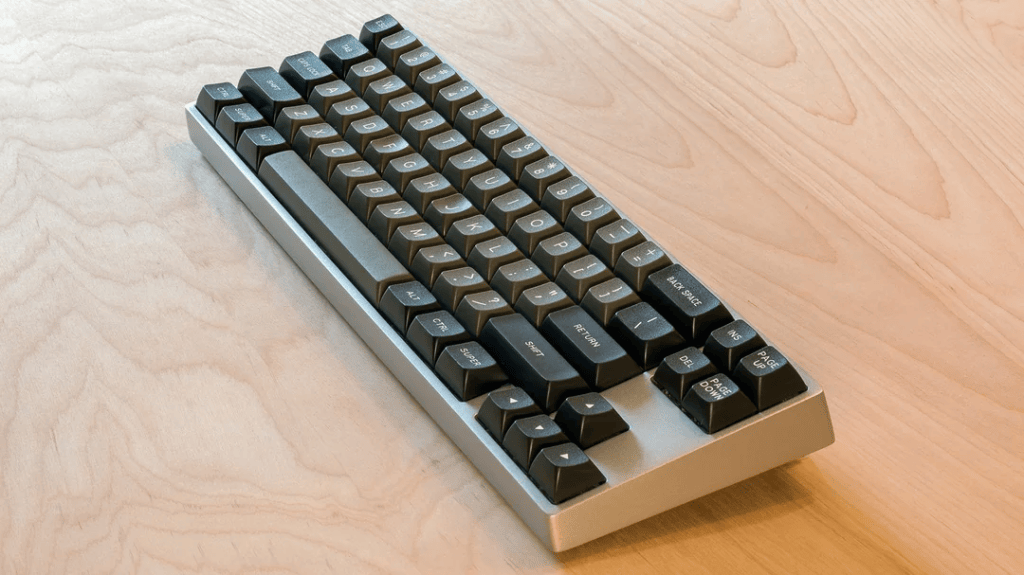
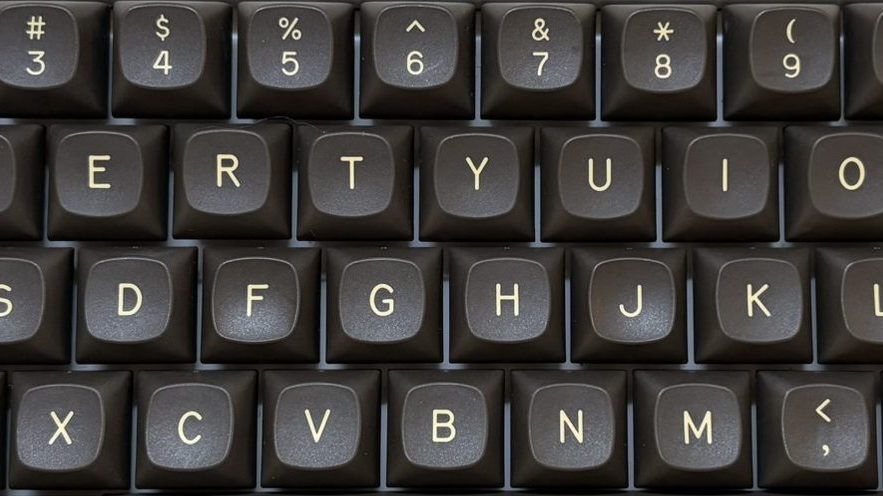
As I mentioned earlier, DSS is a medium-height, sculpted, spherical profile, so it’s shorter than SPK’s SA profile, about the same height as SPK’s DCS profile, and taller than SPK’s DSA profile; its keys vary in height depending on the row; and the divots on top are circular-shaped rather than cylindrical.
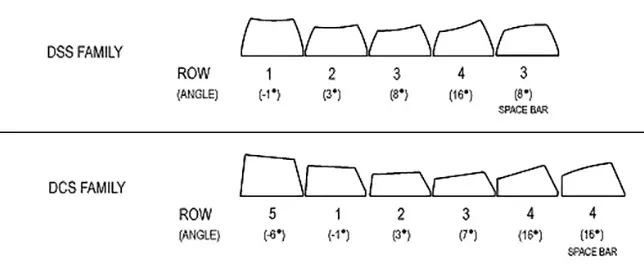
DSS’s sculpt is 1-2-3-4-3, so the F-row and the number row are the same height and shape, and home row and the bottom row are the same height and shape.

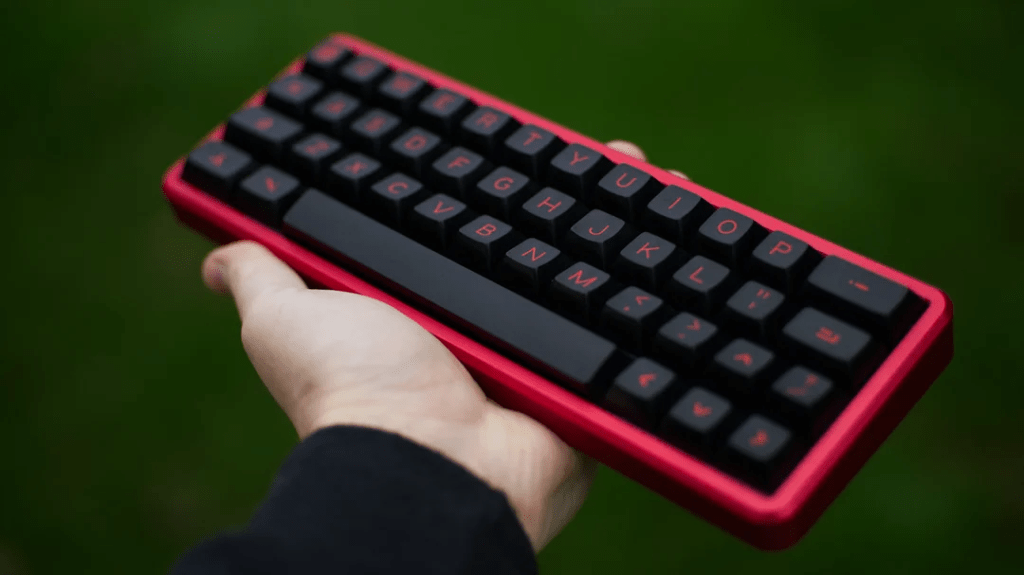
DSS is produced only in ABS, and the legends are made by double shot molding or pad printing. Texture-wise, the tops of the keys are matte and the sides are semi-matte. The texture is similar if not the same as DCS and DSA; it’s noticeable and grippy without being coarse.
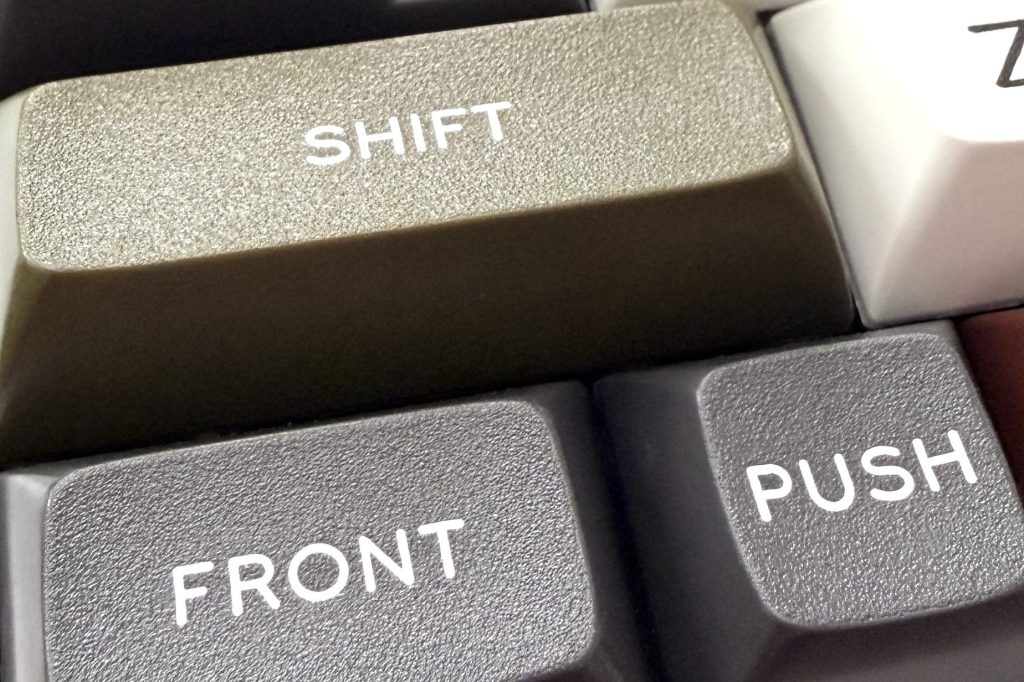
DSS’s legends use a modified version of Gorton, a surprisingly ubiquitous font that’s based on old Gorton engraving machines. Gorton is a monoline sans serif font with a lot of character and a fascinating history — Marcin Wichary wrote an excellent deep-dive on the font earlier this year that I highly recommend to you if you want to learn more. The font is older than most and instantly recognizable, and SPK uses it for most of its keycaps. Like SPK’s SA and DSA profiles, DSS’s legends are centered and capitalized in the alphas and the modifiers.
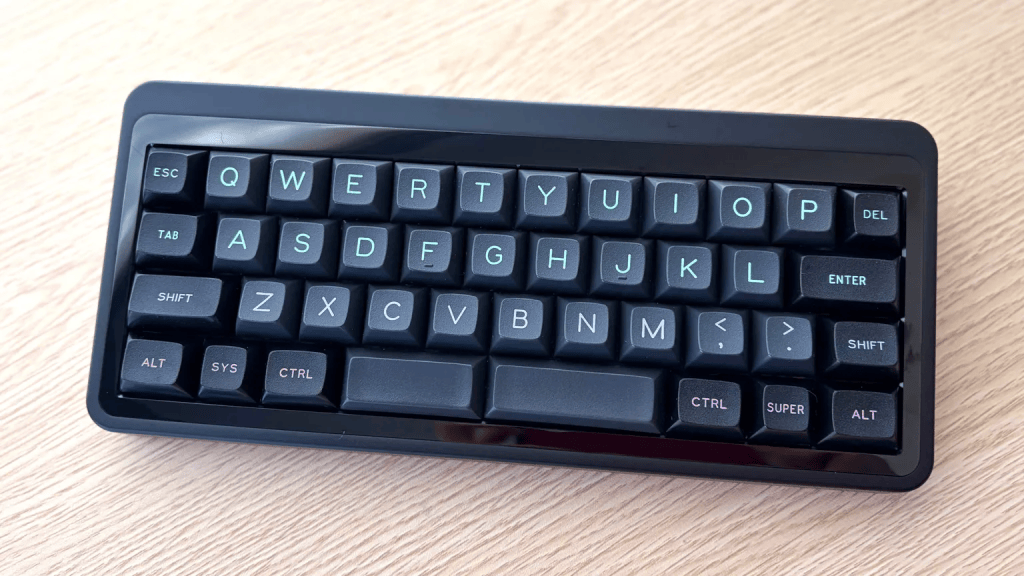
Finally, DSS has relatively thin walls, similar to DCS’s, but it’s taller and has more interior space than DCS, so it produces a medium-pitched sound signature.
So is it like MTNU?
As I mentioned above, there really haven’t been many DSS full-size sets in the past several years, and no other medium-height, sculpted, and spherical options filled the void. However, in 2022, GMK and Matt3o announced their joint development of a new medium-height, sculpted, spherical profile called MTNU. When the first MTNU sets hit in 2023, I was intrigued; would MTNU fill the same niche as DSS, but with the consistency, reliability, and availability associated with GMK?
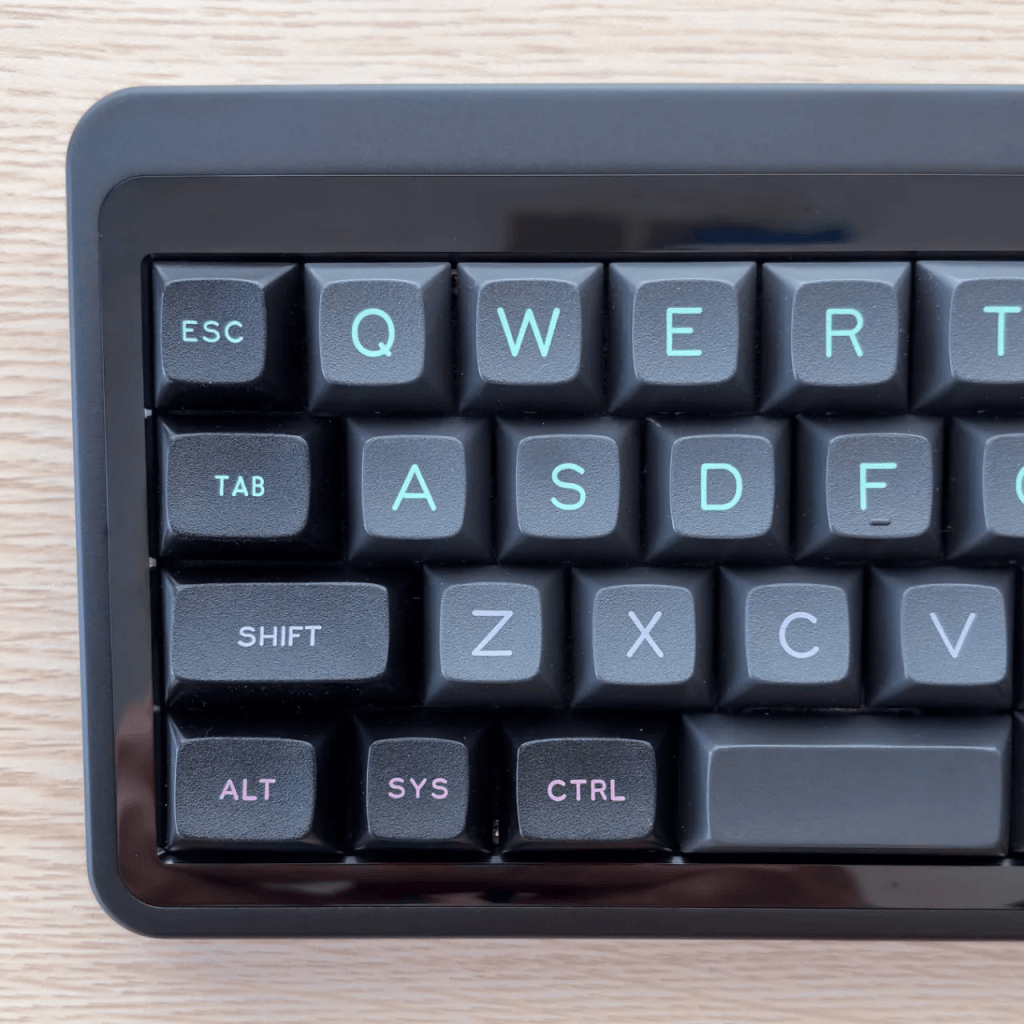
The quick answer? No. DSS and MTNU are doing completely different things, even though they’re both medium-height, sculpted, and cylindrical.
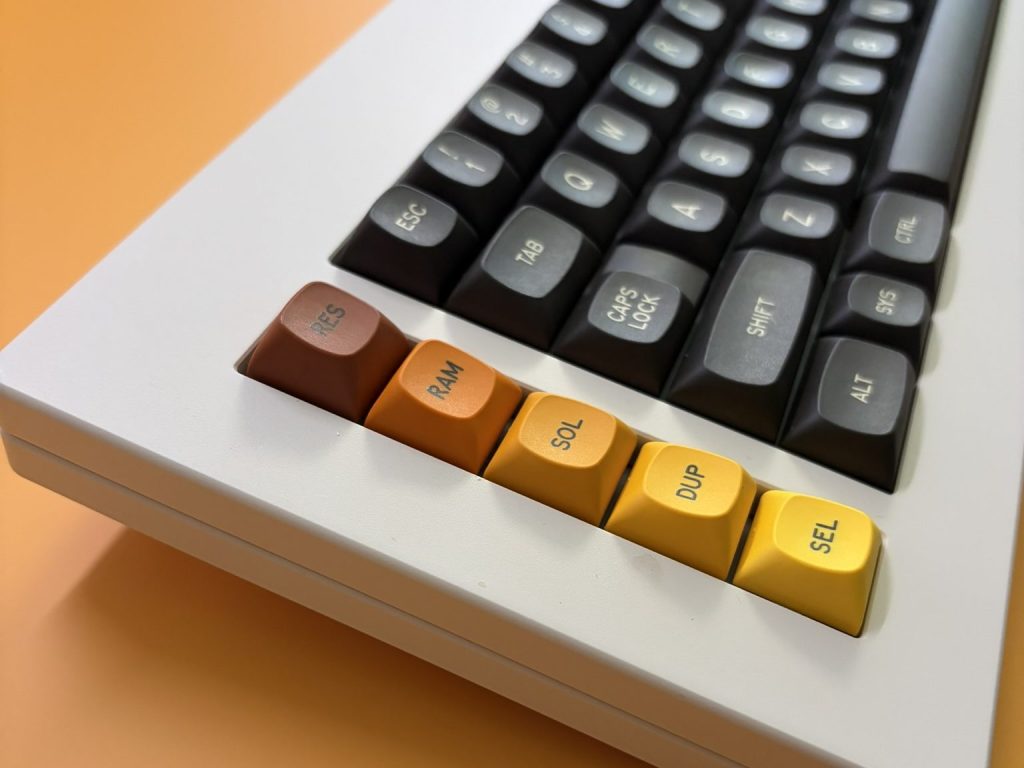
First and foremost, the sculpt. Saying MTNU is “sculpted” is like saying Macho Man Randy Savage was “energetic” — a vast, vast understatement. MTNU is not just sculpted, it’s molded into an organic, edgeless shape that feels almost orthotic. DSS, on the other hand, is all edges from the side, with a sharply angled R4. Even DSS’s spacebar, while less sharp than DCS’s, shows some edge.
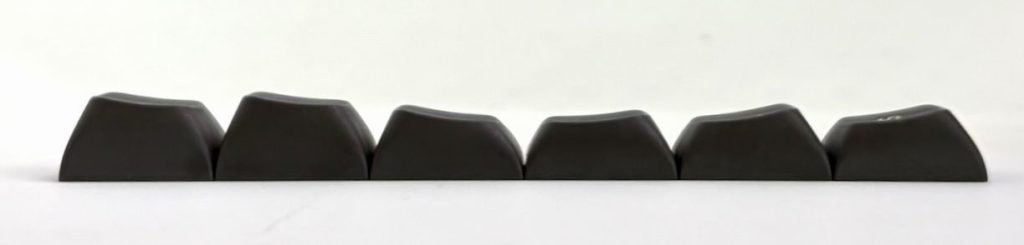

Second, the materials and texture. DSS is made of ABS and has a grippy texture, whereas MTNU is made of PBT with a very smooth texture (closest to KAM, KAT, and PBS). This gives MTNU a different sound signature and feel; it sounds much more muted than DSS, which is quite resonant, and I fear I’d slide around on its smooth texture without MTNU’s deep divots (I am admittedly biased towards texture).
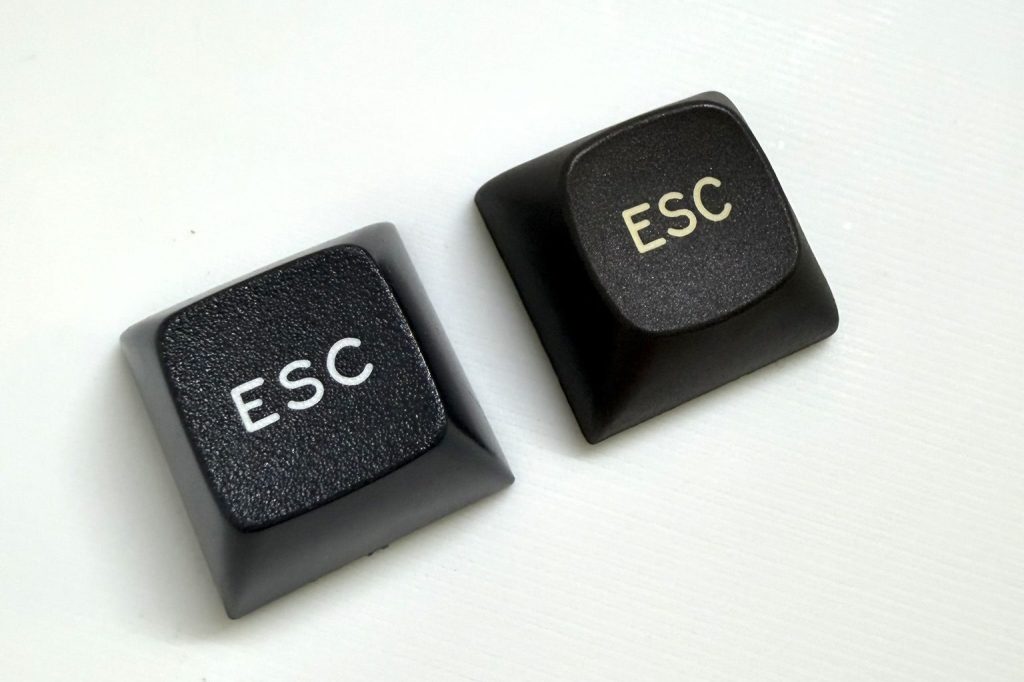
Third, DSS is taller than MTNU — MTNU’s shortest keycaps on R3 feel positively shallow, whereas DSS stands tall and contains more hollow internal space.
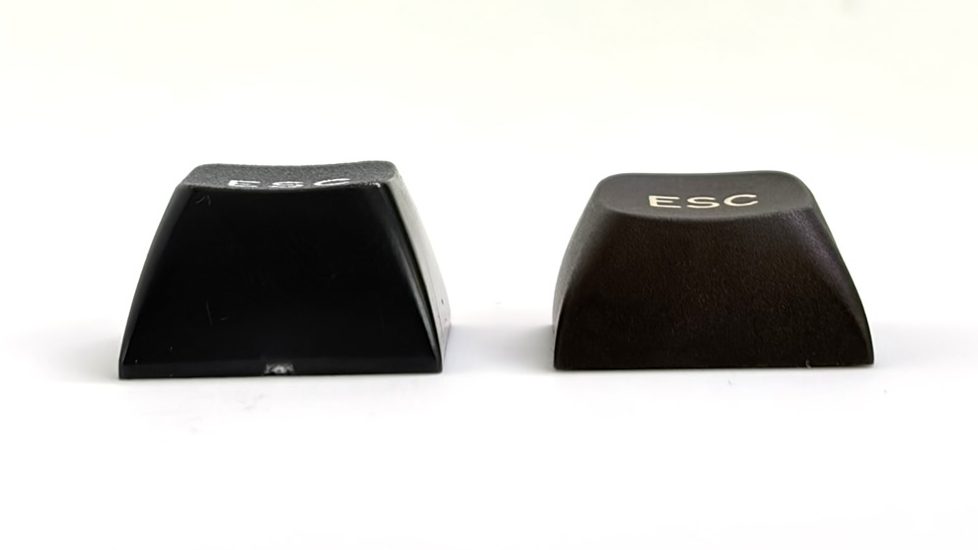
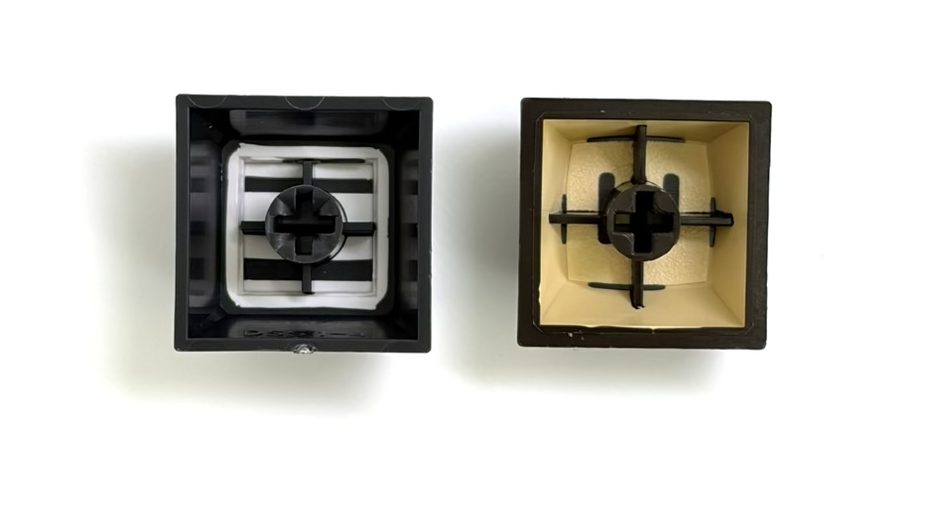
Fourth, DSS’s walls are also considerably thinner than MTNU’s, contributing to DSS’s higher, thinner sound signature.
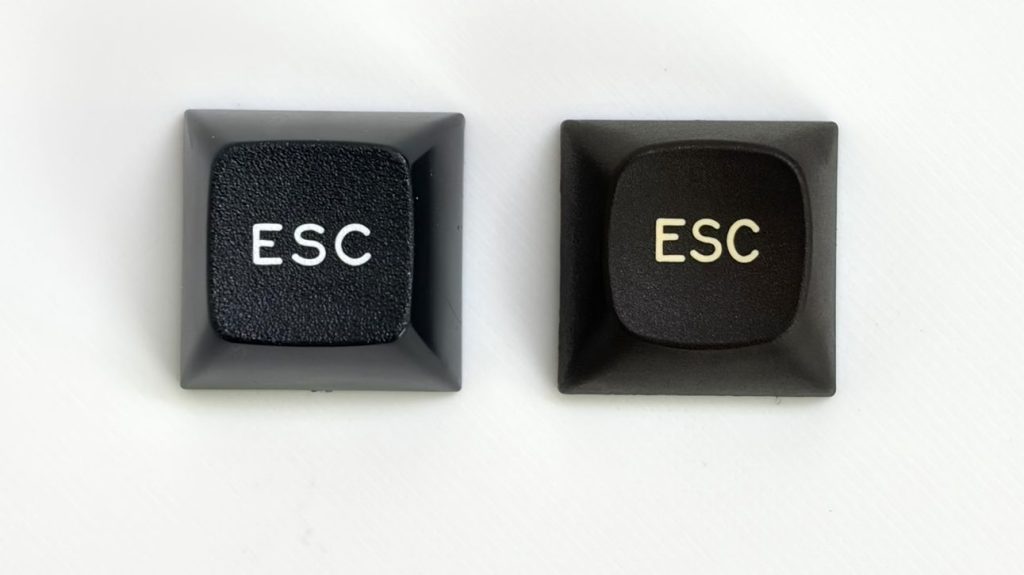
Fifth, DSS’s divots, while spherical, are shallow and come to a square shape on top, whereas MTNU has deep divots that come to a round shape on top.
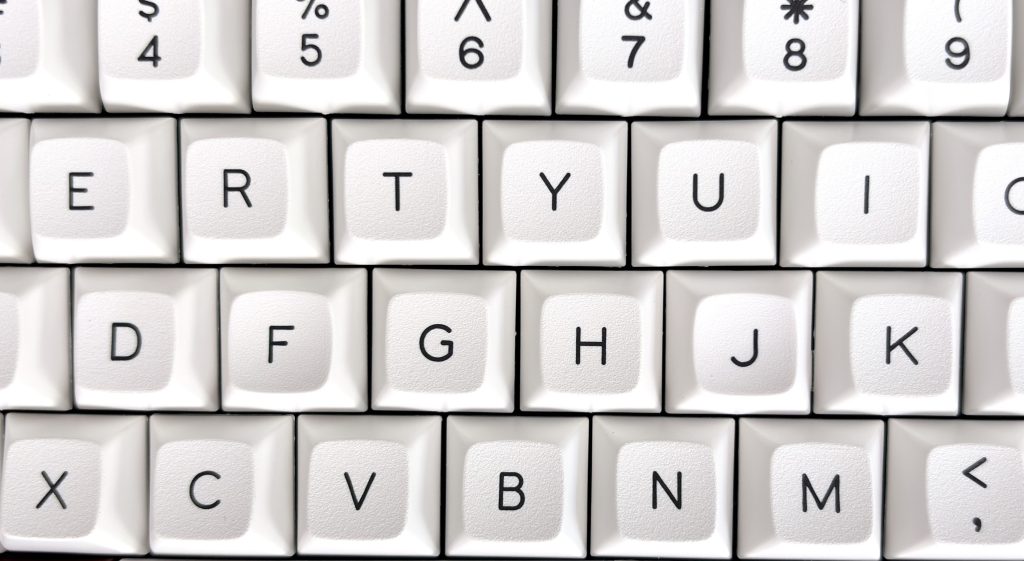
Finally, MTNU uses a unique font developed by designer Matt3o, Son of a Doubleshot, instead of DSS’s classic Gorton.
Assessment
DSS is my favorite profile, and it fills a niche that I think a lot of people want to fill: it gives the retro look of SA but with the comfortable height of DCS or CYL. Its textured, lightly indented tops and sharp R4 feel incredible to type on, and it has a medium-pitched sound signature that is less high-pitched than DCS, but fuller due to DSS’s greater internal volume. I hear some new DSS sets are incoming, and I hope that’s true… if you manage to get your hands on some DSS keycaps, you should definitely give them a try.


Leave a Reply