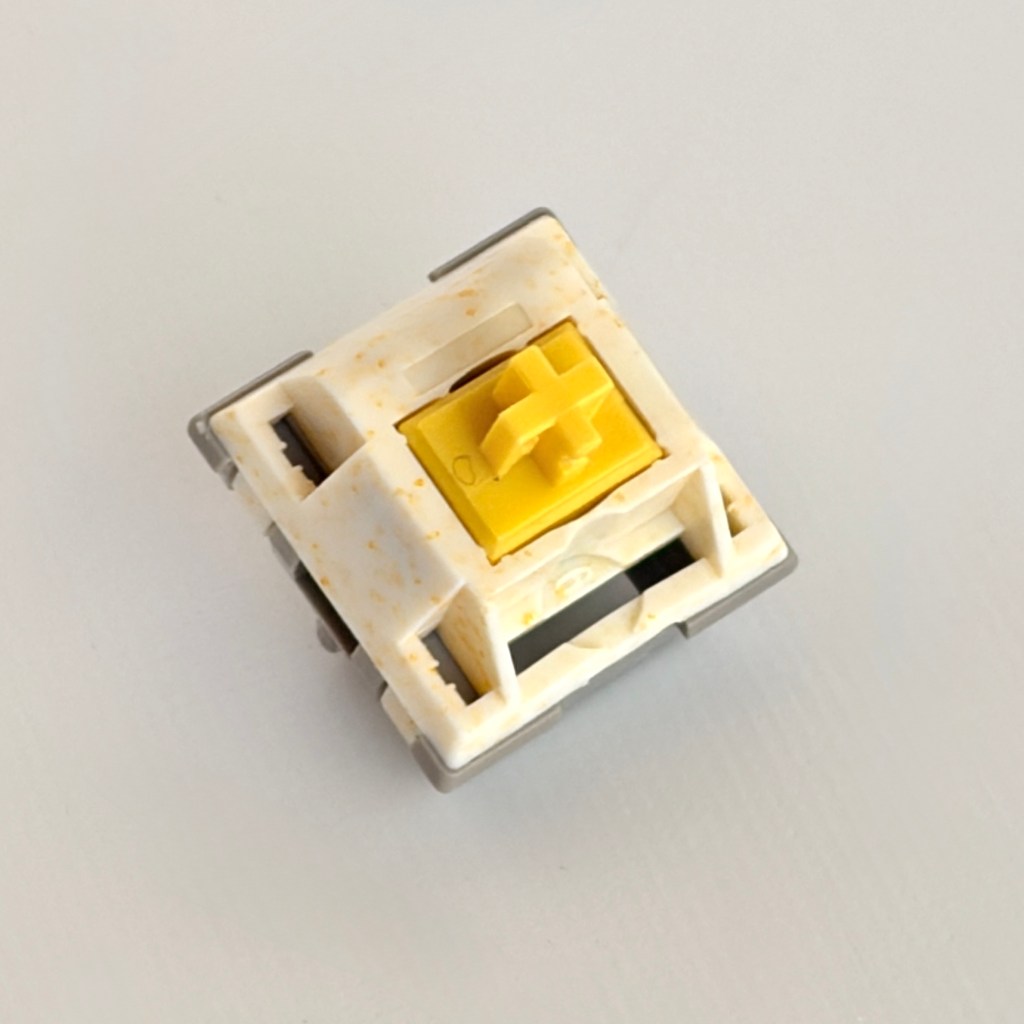
Lately, I’ve been seeing an influx of switches incorporating fiberglass — let’s talk about one of my new favorites in this category: the Keygeek M3s.
Background
Keygeek M3s are medium-weight linear switches from Chinese manufacturer Keygeek. Keygeek has been in the switch space for thirty years, but it seems to have popped up in the online US keyboard enthusiasts’ market in mid-2022. It’s produced several notable switches over the past several years including the recently popular Y2 and Blue Cheese v2, and it has been the top-selling switch brand on kbd.news for the past three months. Keygeek’s not been shy about innovating, either — the Y2 features unique waffle stem tip molding and textured stems, for example. The M3 appears to be a fairly recent release from Keygeek– I haven’t found any vendors listing it online before February 2026 — and is currently being sold by Divinikey, Milktooth, and Unikeys.
Specs
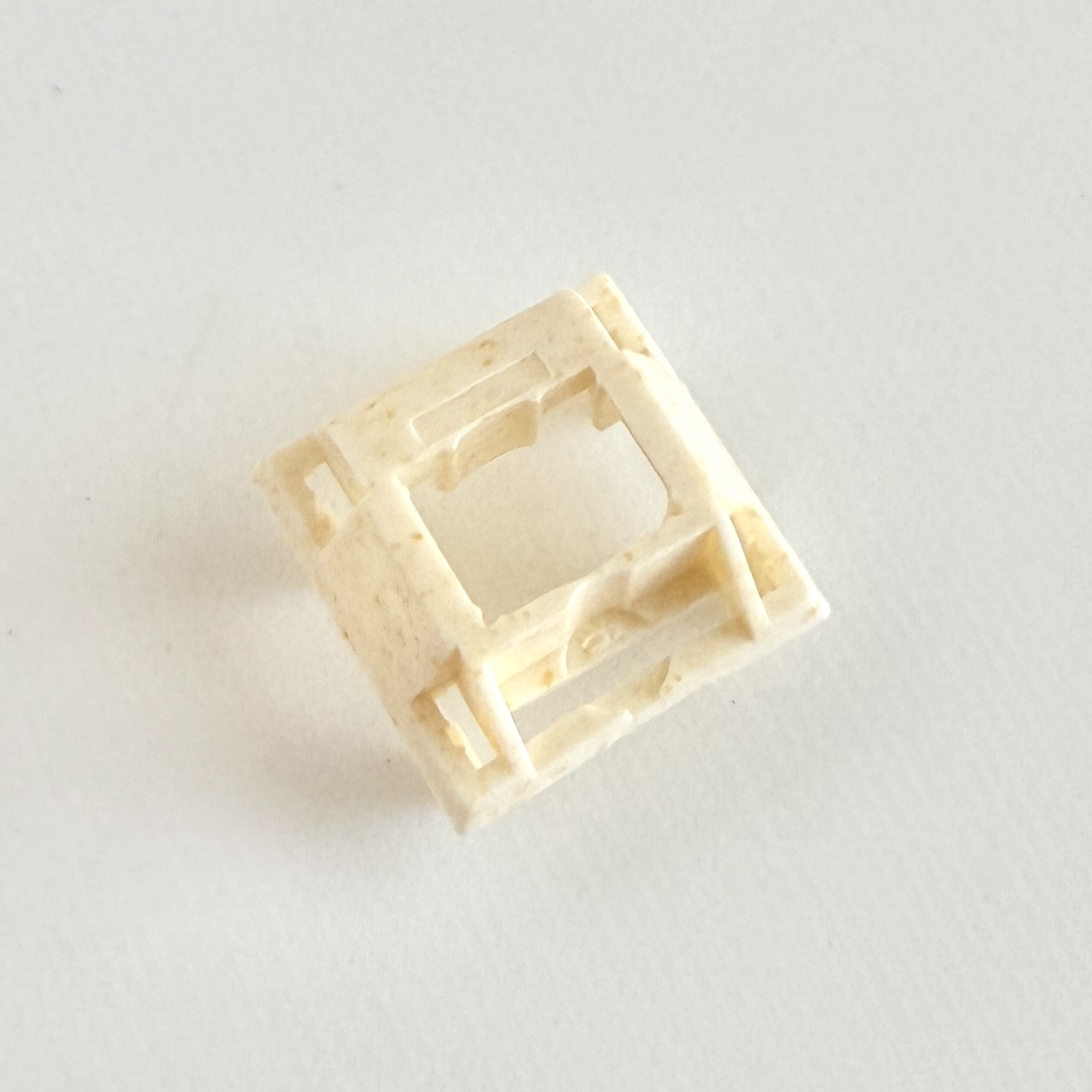
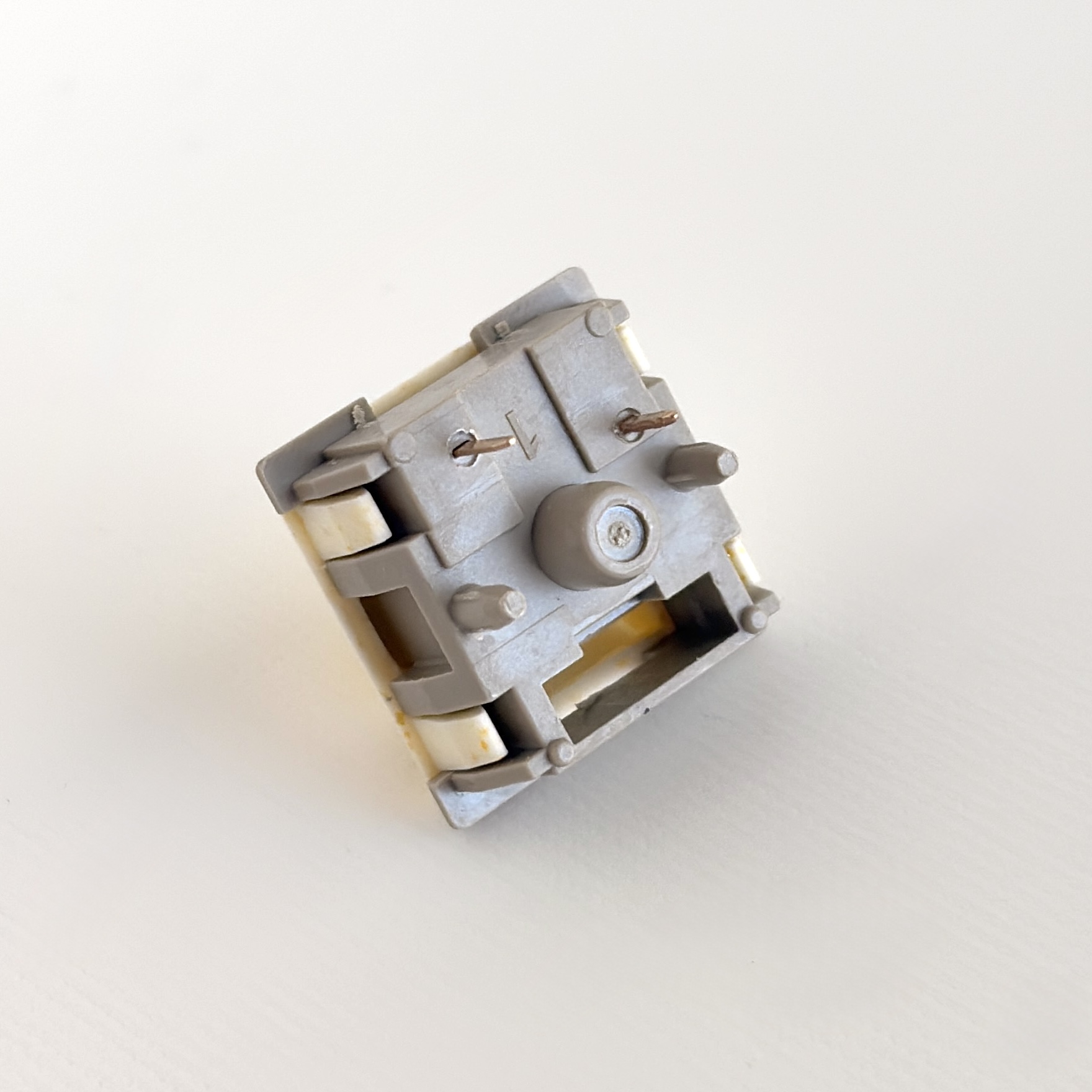
As I mentioned earlier, M3s are medium-weight linears — their actuation force is about 45g, and their bottom out force is about 54g. They use 21mm single-stage spring Japanese wire springs, have 1.8mm of pre-travel, and 3.8mm total travel. They are also factory-lubed.
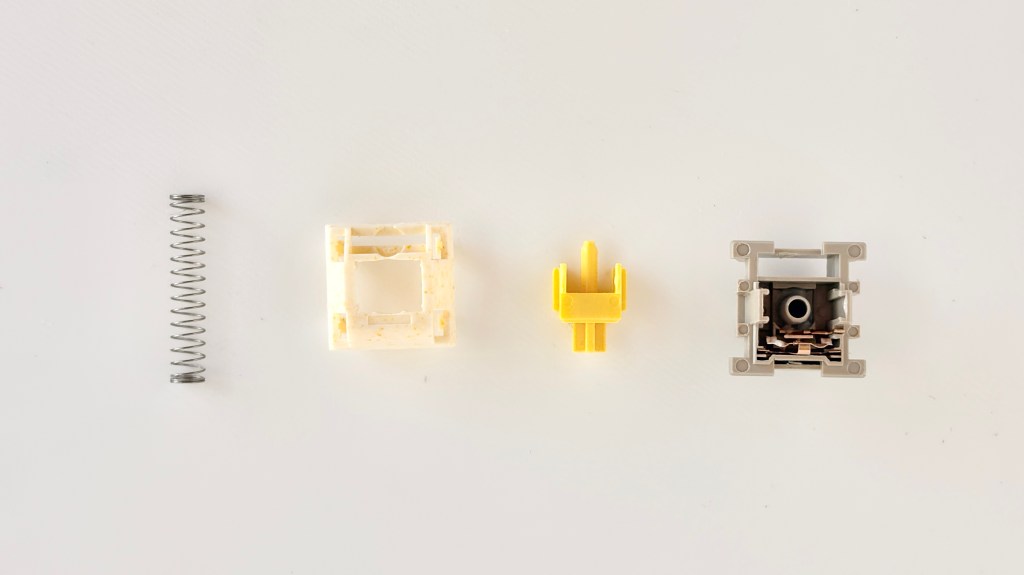
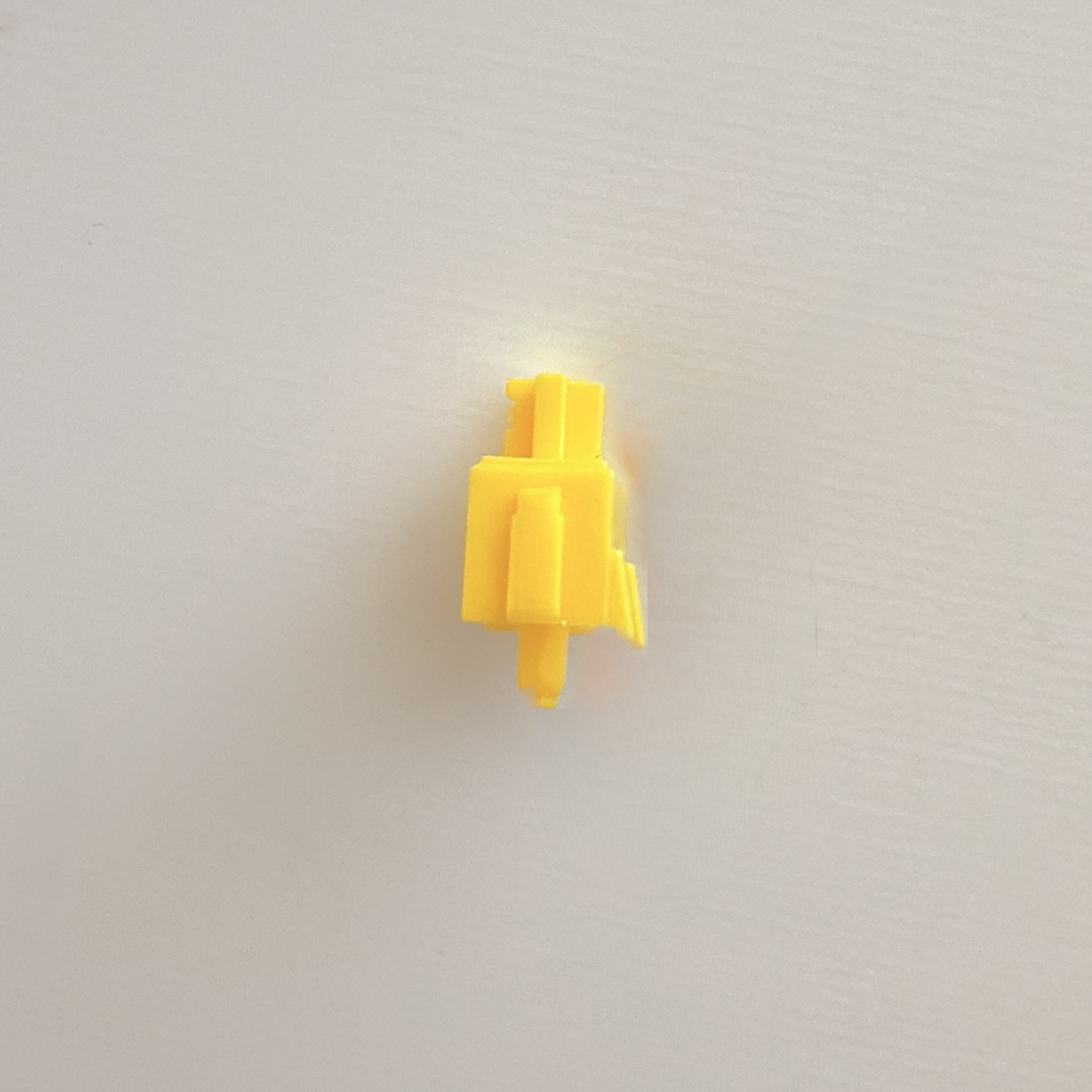
The M3s are pretty unique in terms of materials, and they bring something new to the Keygeek lineup: they’re the first Keygeek switch that uses LY. LY is a proprietary switch stem/housing material that was developed as an alternative to pure UPE. It’s not a standardized industry plastic like POM or nylon — it’s a custom blend manufacturers formulate — so one manufacturer’s LY blend might be different from another’s. The M3s use LY for the stem, and the LY stems are the hardest stem material in Keygeek’s lineup (runners-up are POM, UPE, and POK, from hardest to softest).
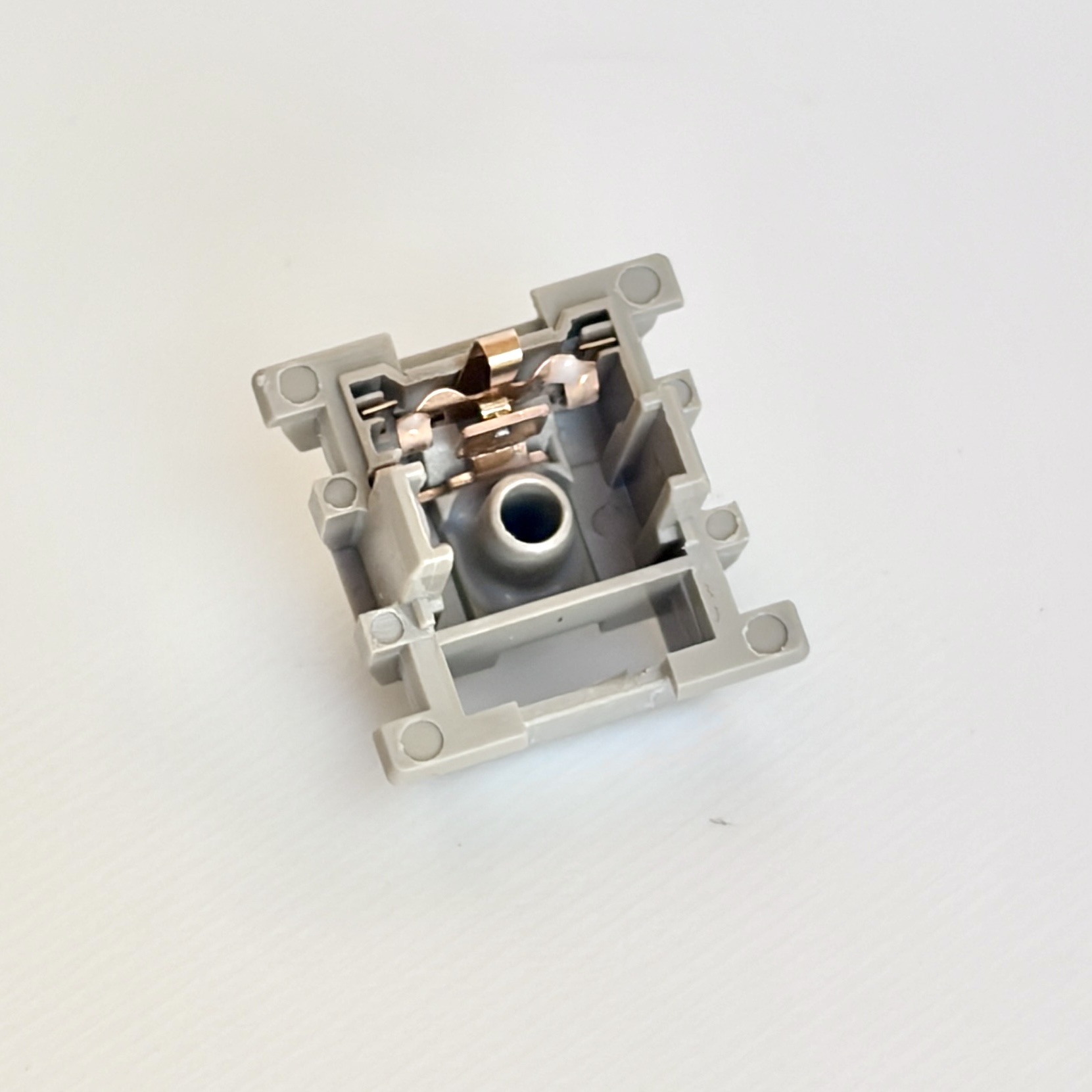
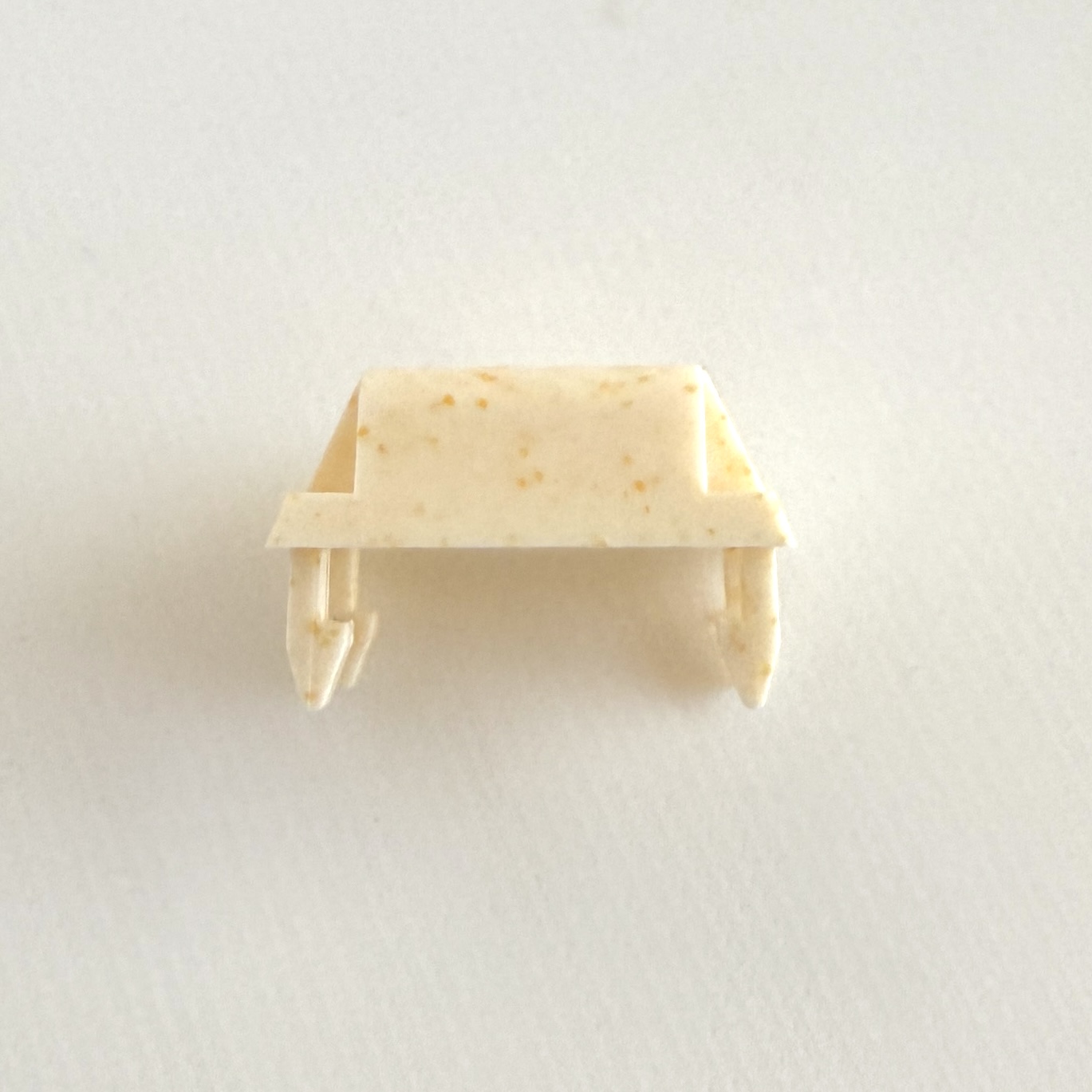
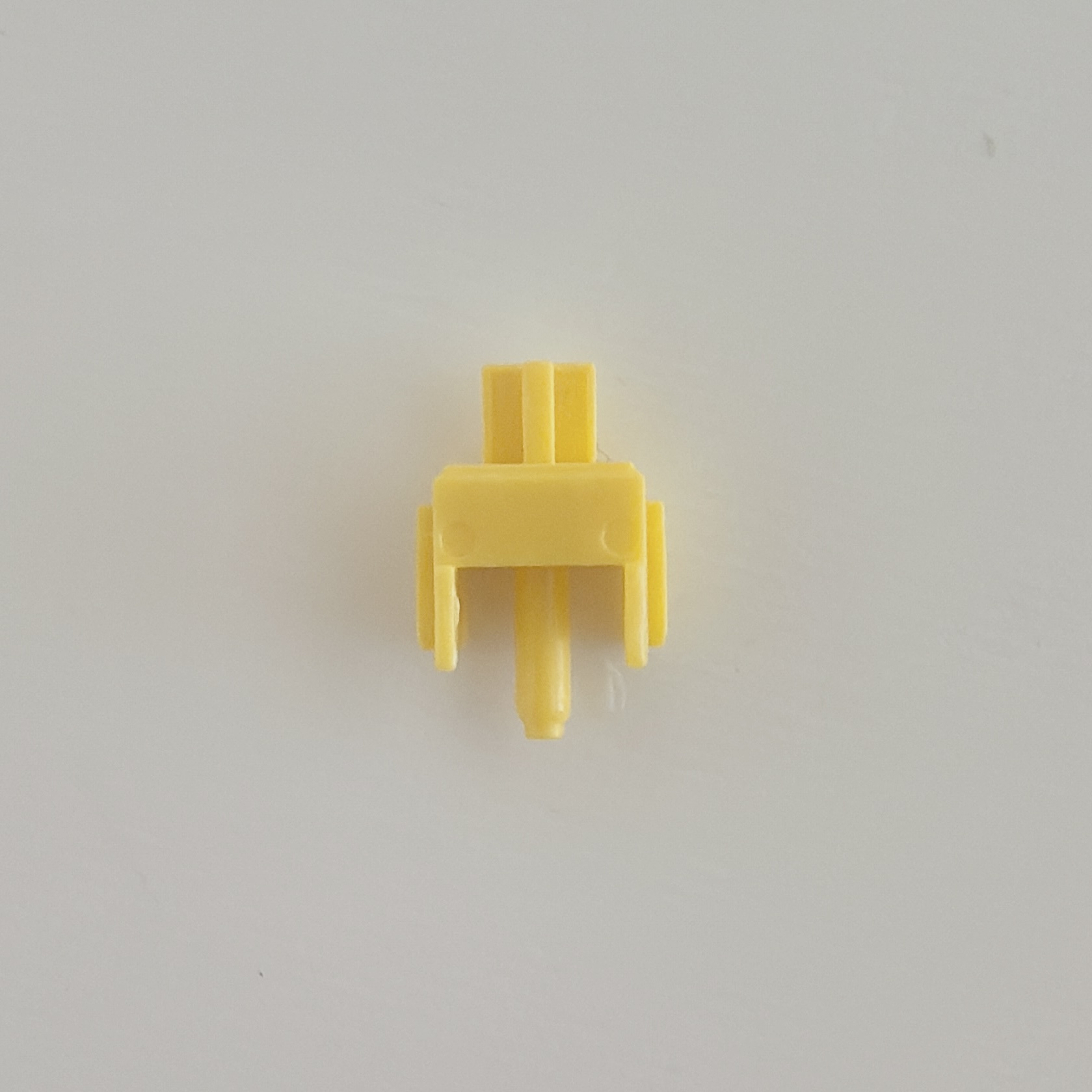
The fun doesn’t stop there. The M3s pair their hard LY stems with bottom housings made of P5 — a rigid mixture of Nylon and 50% fiberglass — and top housings made of L4 POM. Although L4 POM is a relatively soft material, P5 is Keygeek’s third-hardest housing material. This combination gives M3s a firm, clean bottom out — one of the firmest, but not harshest, bottom outs I’ve felt in a while — and a clacky, bright sound signature.
Assessment
I really love these switches. I’ve installed them in multiple boards, paired with multiple different plates, mounts, and keycap profiles, and they feel and sound great every time.
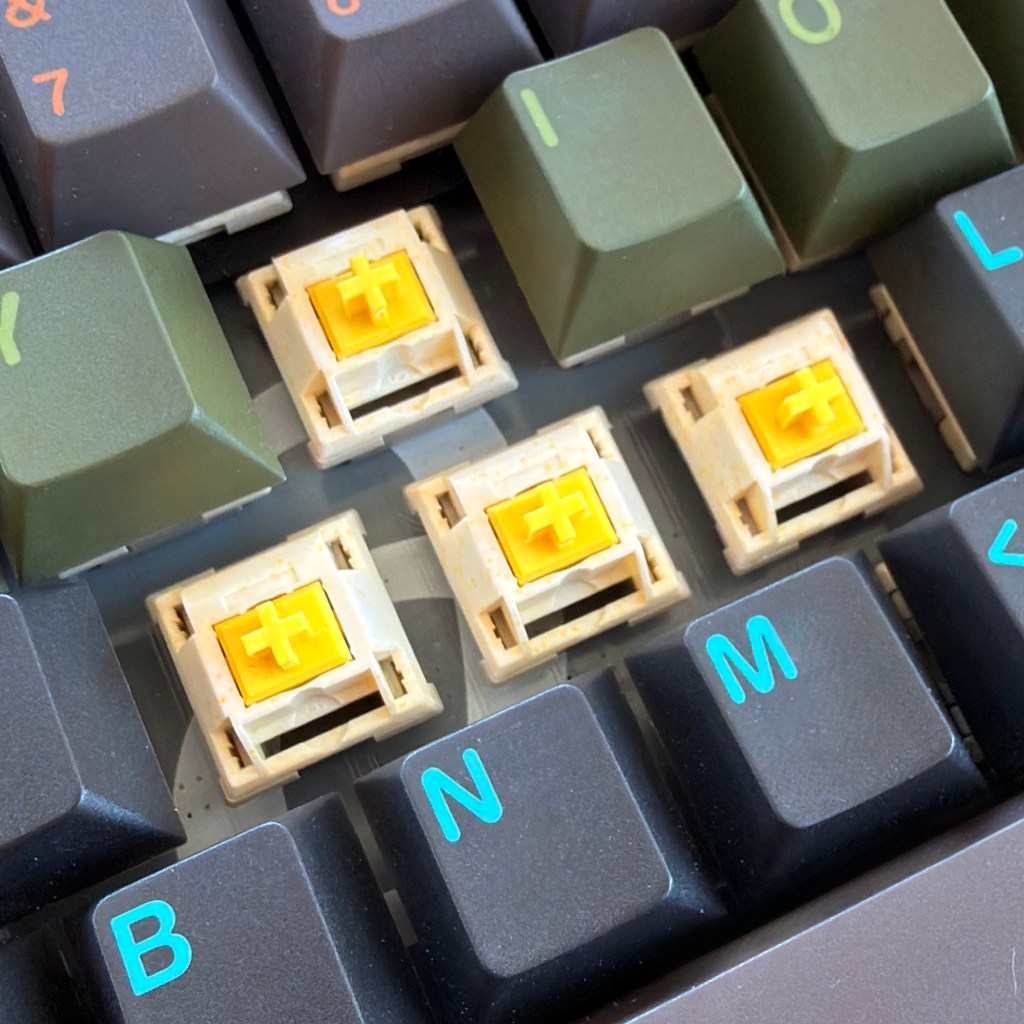
I find M3’s weight really pleasant — it gives enough resistance to feel bouncy without getting tiring over time. And they have just the slightest bit of texture — they are not silky or buttery — but only enough to make things a little interesting. They’re no Nixies, but they’re no Xinhais, either — they fall somewhere in between. I’ve been enjoying a bit more texture recently — Kailh Calligraphies have been another strong contender in this category — so these suit me just fine.
My favorite aspect, though, is M3’s rigid, clean bottom out and high-pitched clacky sound signature. M3s especially rip on a plateless build or with a half-plate — a plateless build really emphasizes the clack and gives it a nice fullness.
Typing Tests
Takeaways
M3s are #rigid, #clacky, and #solid. If you like a non-buttery, lightly textured linear with a firm, clean bottom out and a high-pitched sound, I highly recommend them to you.


Leave a Reply