DCS keycaps are having a moment — recently we’ve seen sets from Bowl and DN, Signature Plastics Keyboards (“SPK”) just finished running DCS flex kits, and judging by the interest checks, more DCS is in store. To celebrate, l thought I’d discuss the profile and try to answer the eternal question: Is DCS the same as Cherry/CYL?

Introduction
DCS is a relatively old profile with a rich history. Today, it’s manufactured exclusively by US-based manufacturer, Signature Plastics Keyboards (“SPK”), in Custer, Washington, but SPK’s predecessor, Comptec, first introduced it in 1983.
Comptec was formed in 1977 and initially focused on producing a cost-effective way to manufacture keycaps for the emerging computer market. By the end of the decade, it had revolutionized keyboard manufacture by developing doubleshot legends and insert molding. It turned the market upside down again just a few years later by inventing some of the most well-known keycap profiles in the hobby — SA, DSS, DSA, and DCS (SS, too, but SS seems to be defunct) — and a sublimation printing process.
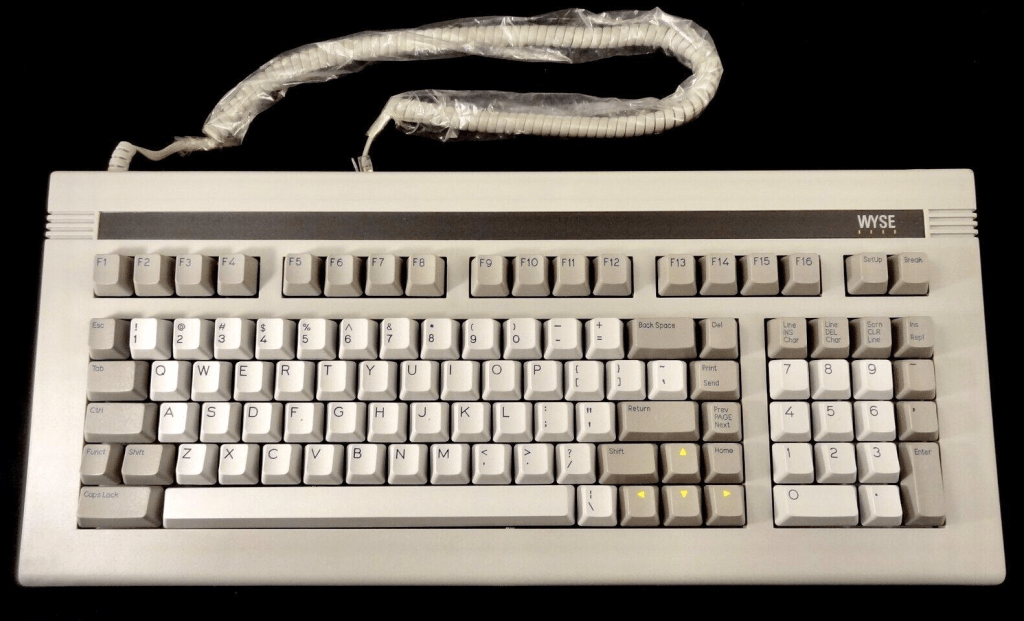
In 1983, Comptec introduced DCS, and the profile quickly became Comptec’s most popular keycap family. Comptec’s focus on cost-effective manufacture took center stage, as Comptec specifically designed DCS with thin walls to achieve an industry target of $.0.05 per key. These thin walls give DCS the light weight and high-pitched sound signature we know today. By the late 1980s, commercial customers including EECO/Maxi Switch, Oak Industries, Wong, Wyse, Xerox, and Wang kept Comptec’s machines running 24/7 to keep up with demand for DCS keycaps, and Comptec was the largest independent keycap supplier in the world.
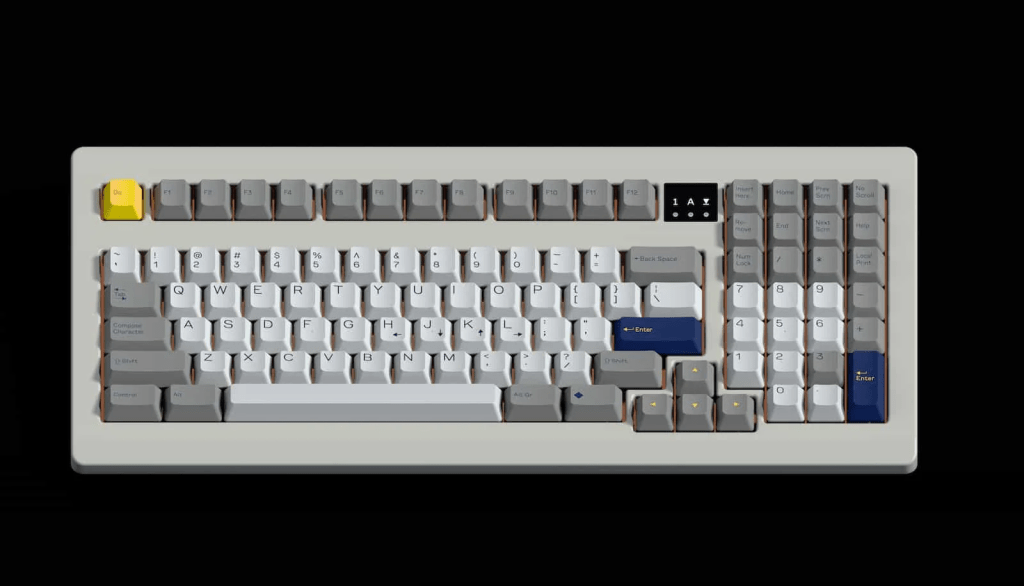
Things took a turn in the 1990s, however. Changing market forces undermined Comptec’s market supremacy, causing it to declare bankruptcy and undergo serious structural changes. Then, in the early 2000s, Comptec, Inc.’s former Division Manager, Bob Guenser took over the business and formed Signature Plastics LLC.
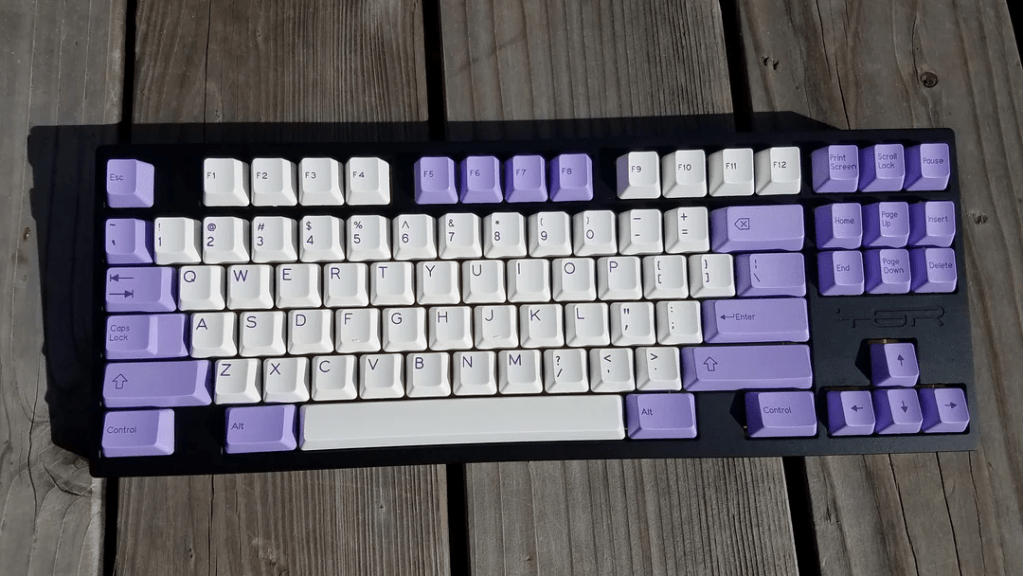
All seemed well for about twenty years. Bob and his daughter, Melissa Petersen, ran the business — first under the name “Pimp My Keyboard” and then, after 2023, as “SPK” — and served both the commercial and hobbyist markets. In 2016, it introduced the G20 keycap family, and in 2018, it reintroduced DSS to popular acclaim. By the early 2020s, SPK had manufactured over 300 custom keysets for the hobbyist community and was a well-respected partner for designers and enthusiasts alike.
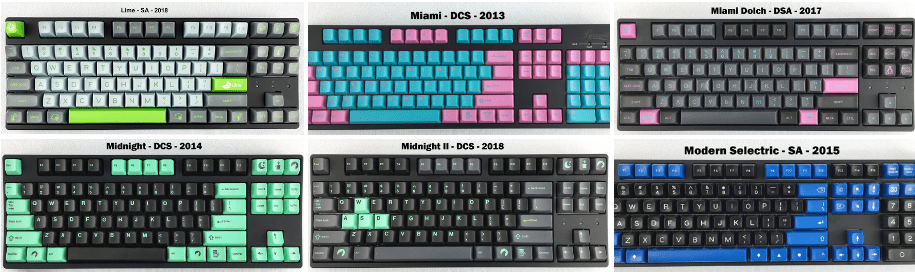
Then, in January 2024, Bob shocked the community by announcing his retirement and the impending sale of SPK. In his announcement, he observed that SPK was “adjusting to several major changes in the marketplace and in the business” including the proliferation of “low-quality, inexpensive, keyset clones,” and said that he and Melissa were “searching for buyer candidates who appreciate the role the company has played in the evolution of computer keyboards over the past 50 years, and who are also committed to preserving and continuing the legacy tied to that history.”
Within months, an investment group led by community member Will Clark announced it would acquire and revitalize SPK. But in August 2025, Bob shared in the SPK Discord server that the acquisition had fallen through and that SPK was seeking another buyer.
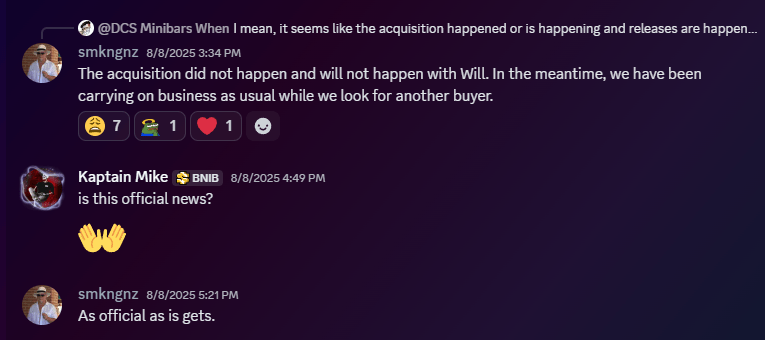
The tumult doesn’t seem to be interfering with business, though, because SPK keeps producing excellent keycap sets and showing up in interest checks and group buys. When reached for comment, Bob said as much, stating right now “it’s business as usual” and “[w]e do plan to continue manufacturing within the hobbyist space until we receive a solid offer from a buyer.”
That’s a big “until,” though — although Bob said things are currently “business as usual,” he also indicated SPK could change significantly once a buyer is found and that that change may come soon. He explained, “[r]ight now we are in discussion with a couple potential buyers interested in our manufacturing space” but “[t]he jury is still out on whether they will continue molding our keycap product lines.” “Obviously, we hope they do,” he said, “otherwise we will need to find a separate buyer for the keycap tooling.” He concluded by promising an announcement “[o]nce we have a clear picture of the future of our business” but didn’t say more than that.
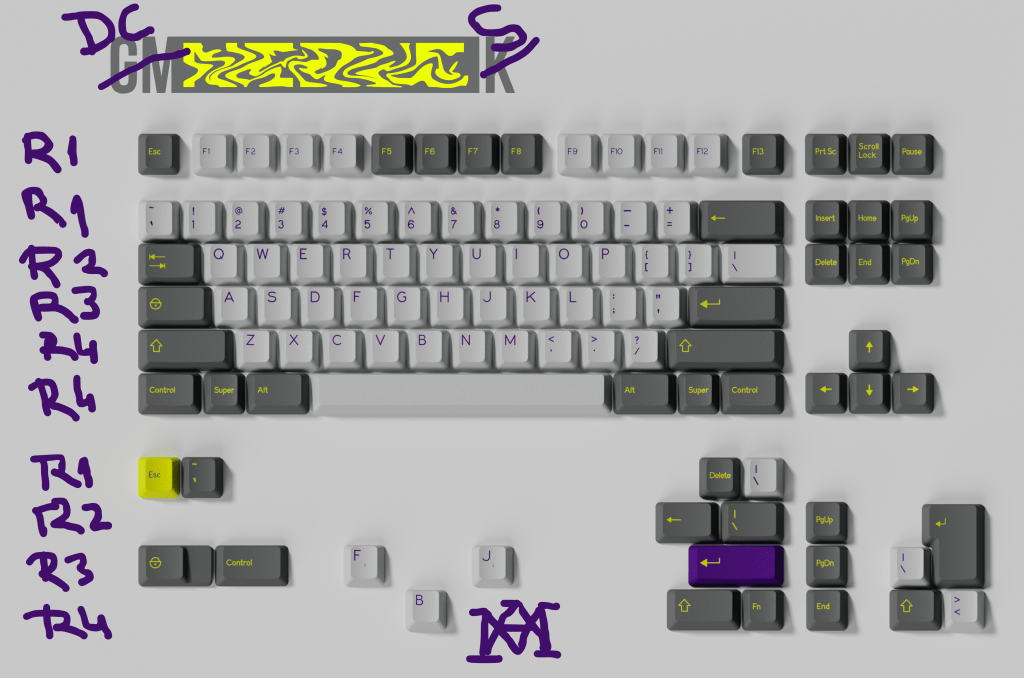
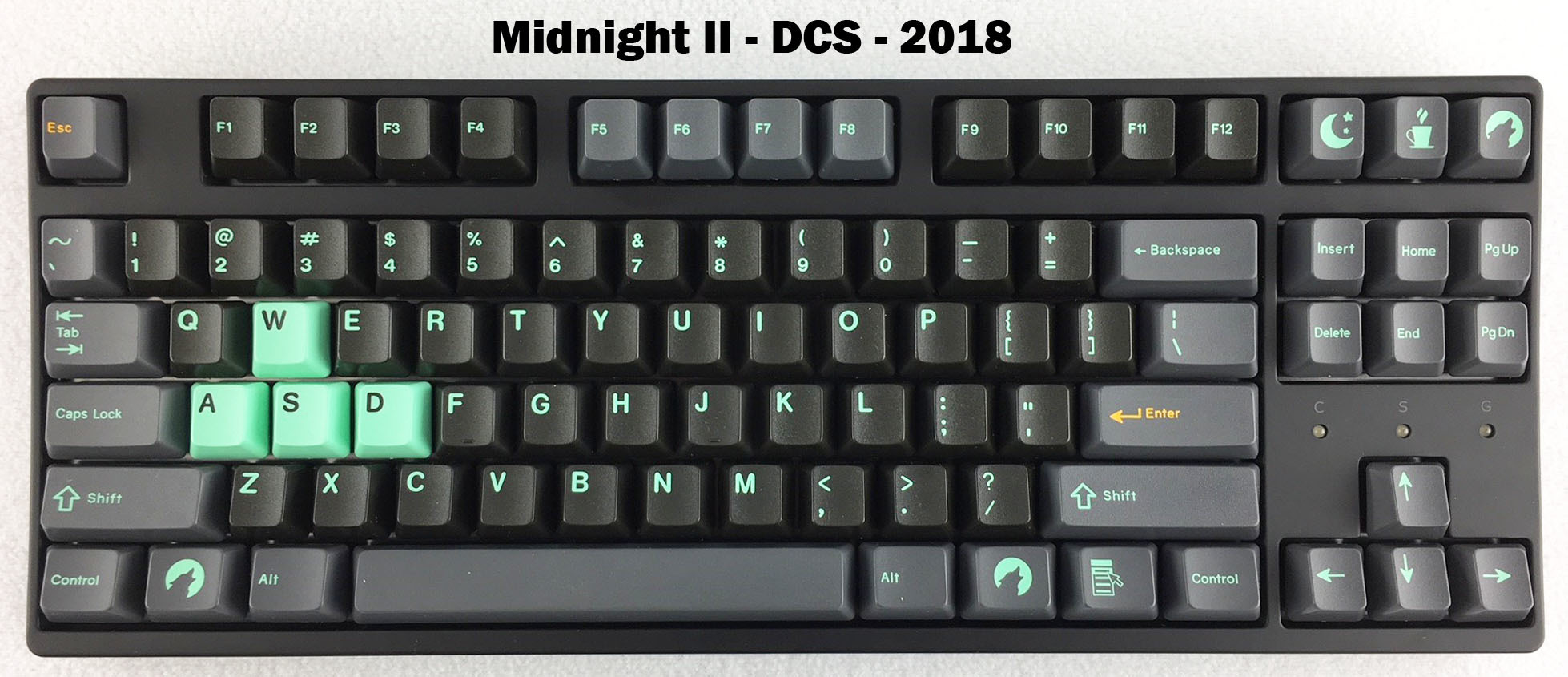
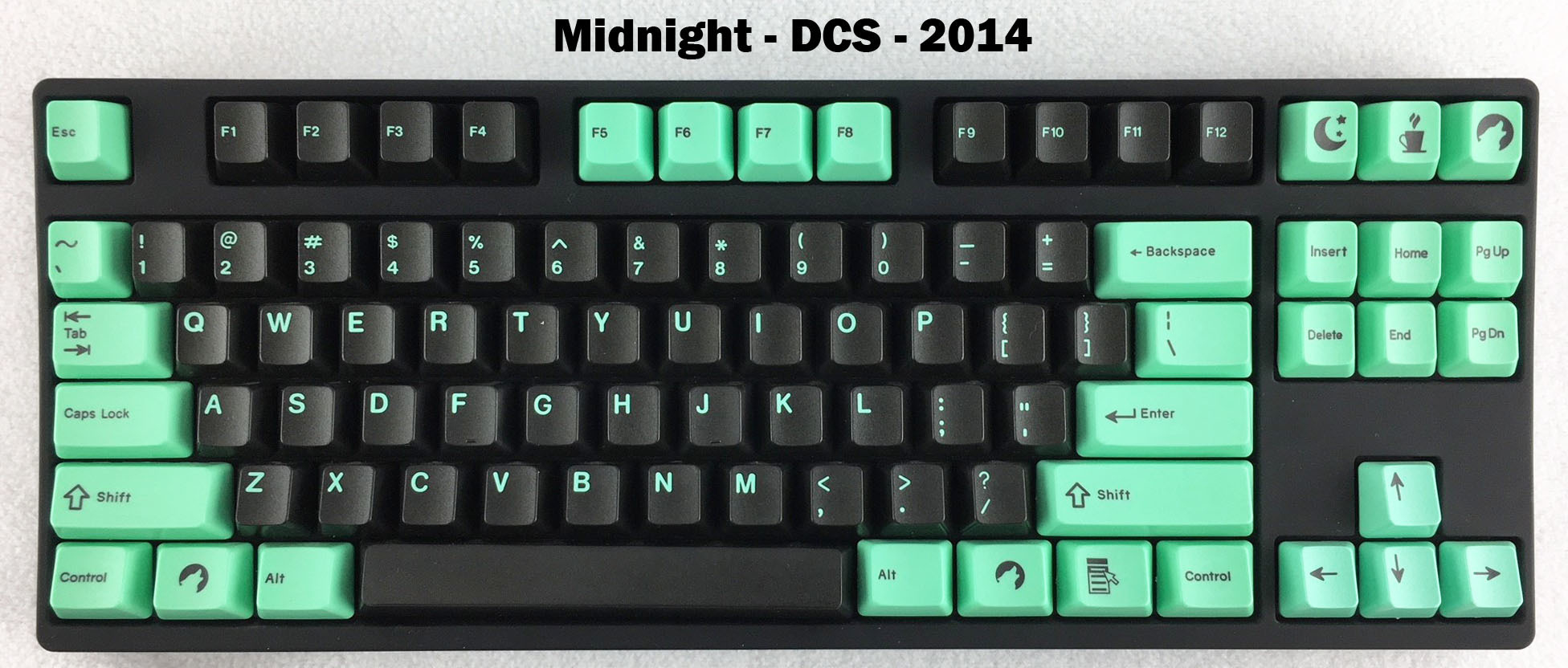
So what’s next for SPK and DCS? Interest checks and group buys galore — DCS seems to be popping up everywhere. Bowl just ran a sold-out GB for DCS Nerve in August, and Masje just ran a GB for DCS Pink Alert, so those will be coming down the pike soon. Right now, Valkurize and Toro Studio have an IC running for DCS Dream Alert, and Piperacae has one going for DCS Lil’ Lav, so hop to it if you’re into pastels. In Q1 of 2026, Laur and Neely’s DCS Superweld and Bowl’s DCS Orange on Beige will go on group buy. If you just can’t wait, SPK has several sets in stock, including DCS Midnight, DCS Black and White, DCS Richat, DCS Cafe, DCS Nova, and DCS SMRT. It also carries DCS color accent and DCS row 4 accent kits in stock.
Specs
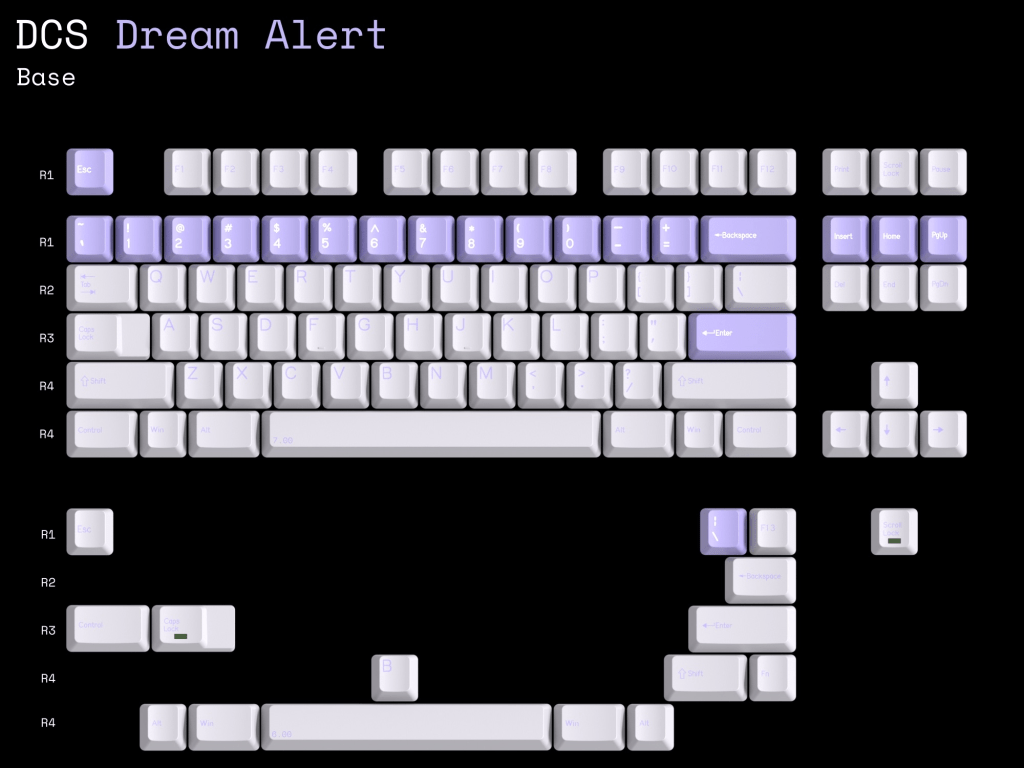
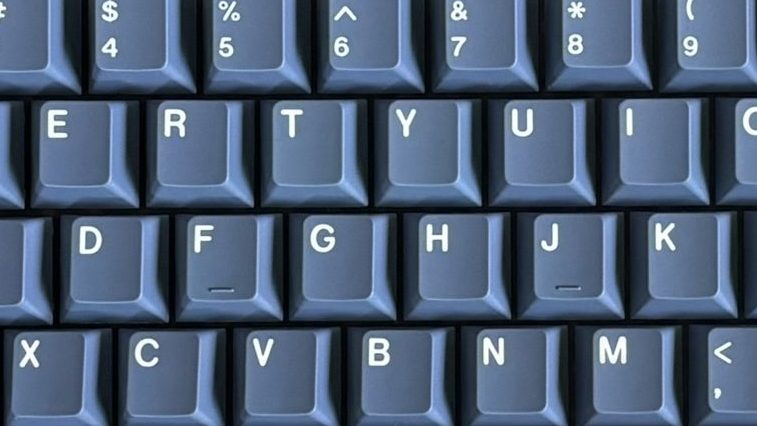
DCS is a medium-height, sculpted profile with a cylindrical divot on top. Because it’s a sculpted profile, its keys’ height and angle vary depending on the row.
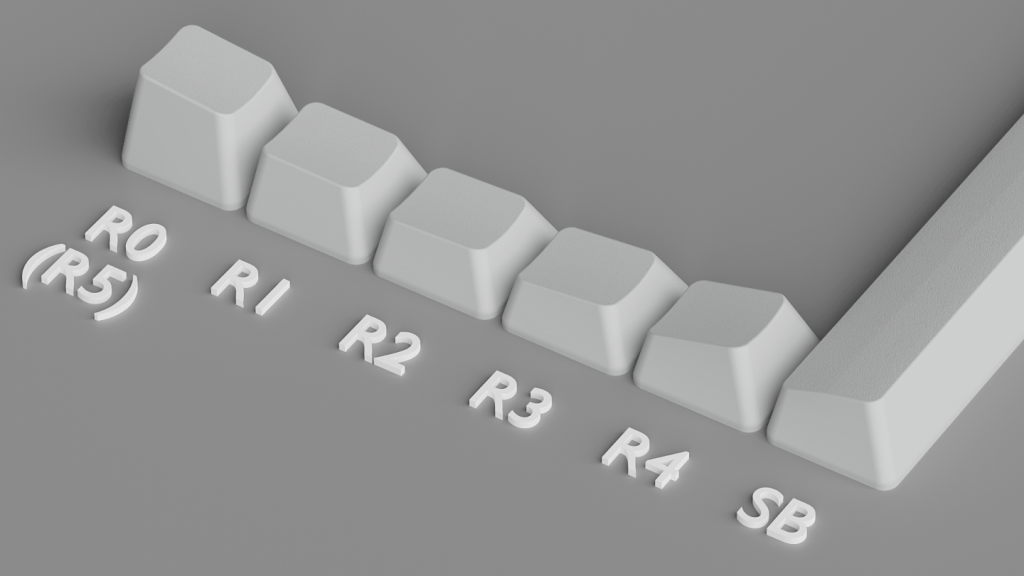
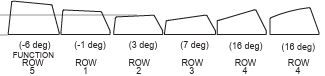
Technically, as shown above, DCS’s sculpt is 5-1-2-3-4, so the F-row has its own distinct height and shape. But most kits released in the past several years have used a 1-1-2-3-4 sculpt in which the F-row is the same height and shape as the number row. Some kits offer R5 as an add on, but it’s not very common. I haven’t found measurements for R5, and I don’t have a set with R5 to measure, but R1 – R4 are between 6.3mm tall (at the bottom of R4) and 9.6 mm tall (at the top of R1). Home row (R3) is about 7mm tall.
DCS can be produced in ABS or PBT using doubleshot molding, pad printing, and sublimation printing. As mentioned in the intro, DCS was specifically designed with thin walls, so it’s lightweight — a 1u x 1u R1 key weighs less than a gram — and produces a higher pitched sound signature.
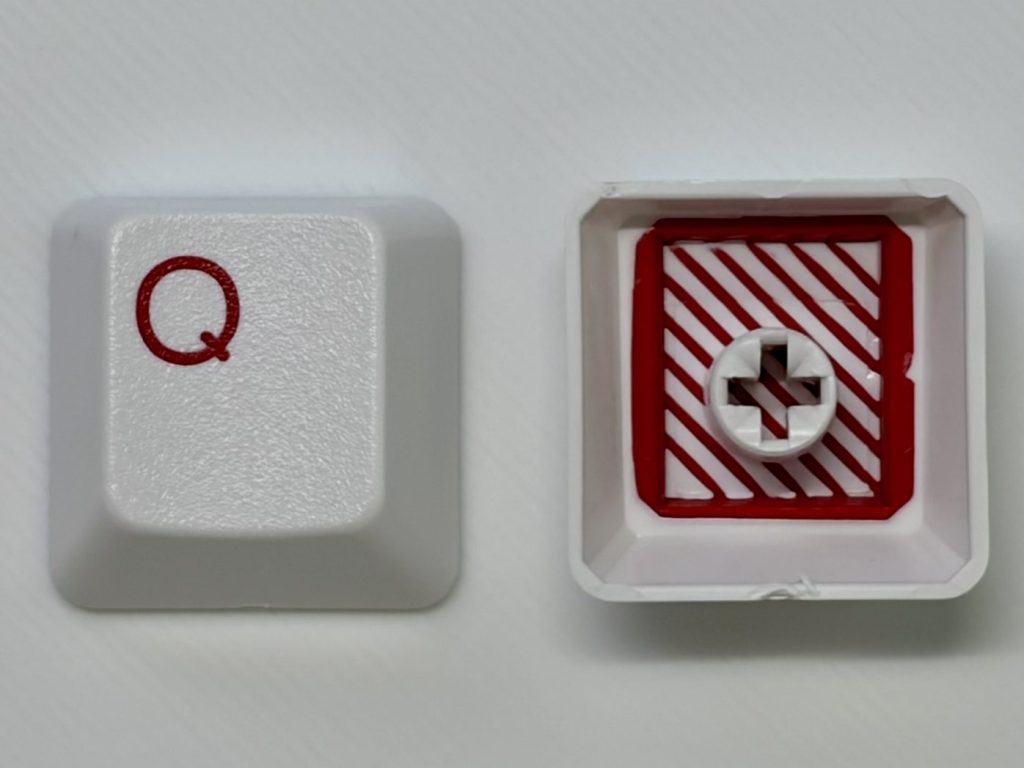
Texturally, the tops of the keys are matte and the sides of the keys are semi-matte. I haven’t experienced DCS in PBT, but in ABS, its texture is noticeable and grippy without being coarse. If you’ve tried SPK’s DSA profile, its texture is similar if not the same as DCS’s.

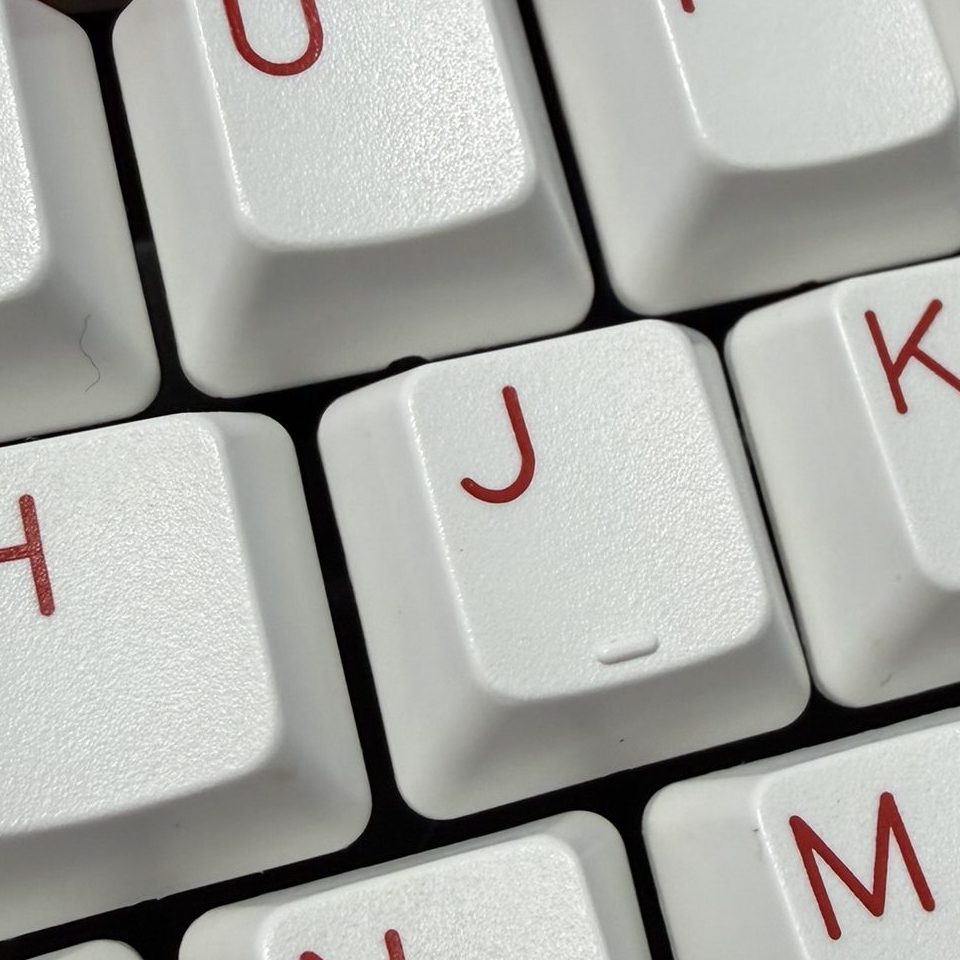
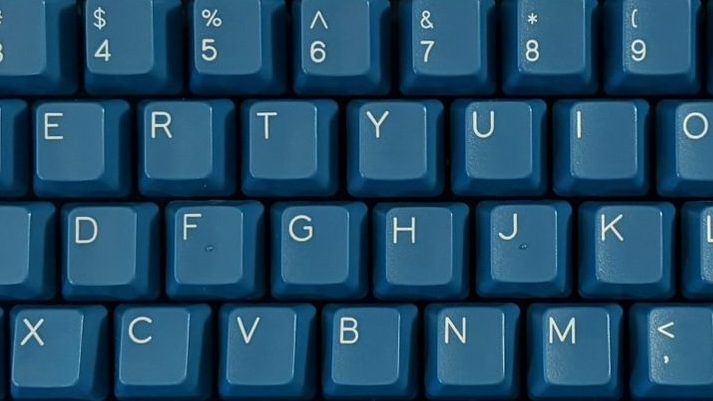
DCS’s legends use a modified version of Gorton, a surprisingly ubiquitous font that’s based on old Gorton engraving machines. Gorton is a monoline sans serif font with a lot of character and a fascinating history — Marcin Wichary wrote an excellent deep-dive on the font earlier this year that I highly recommend to you if you want to learn more. The font is older than most and instantly recognizable, and SPK uses it for most of its keycaps. Unlike some of SPK’s other profiles, DCS’s legends are in the top left corner of the alphas and left-justified and centered on the modifiers. The legends on the mods usually use both symbols and upper- and lower-cased text, but some sets use symbols only.
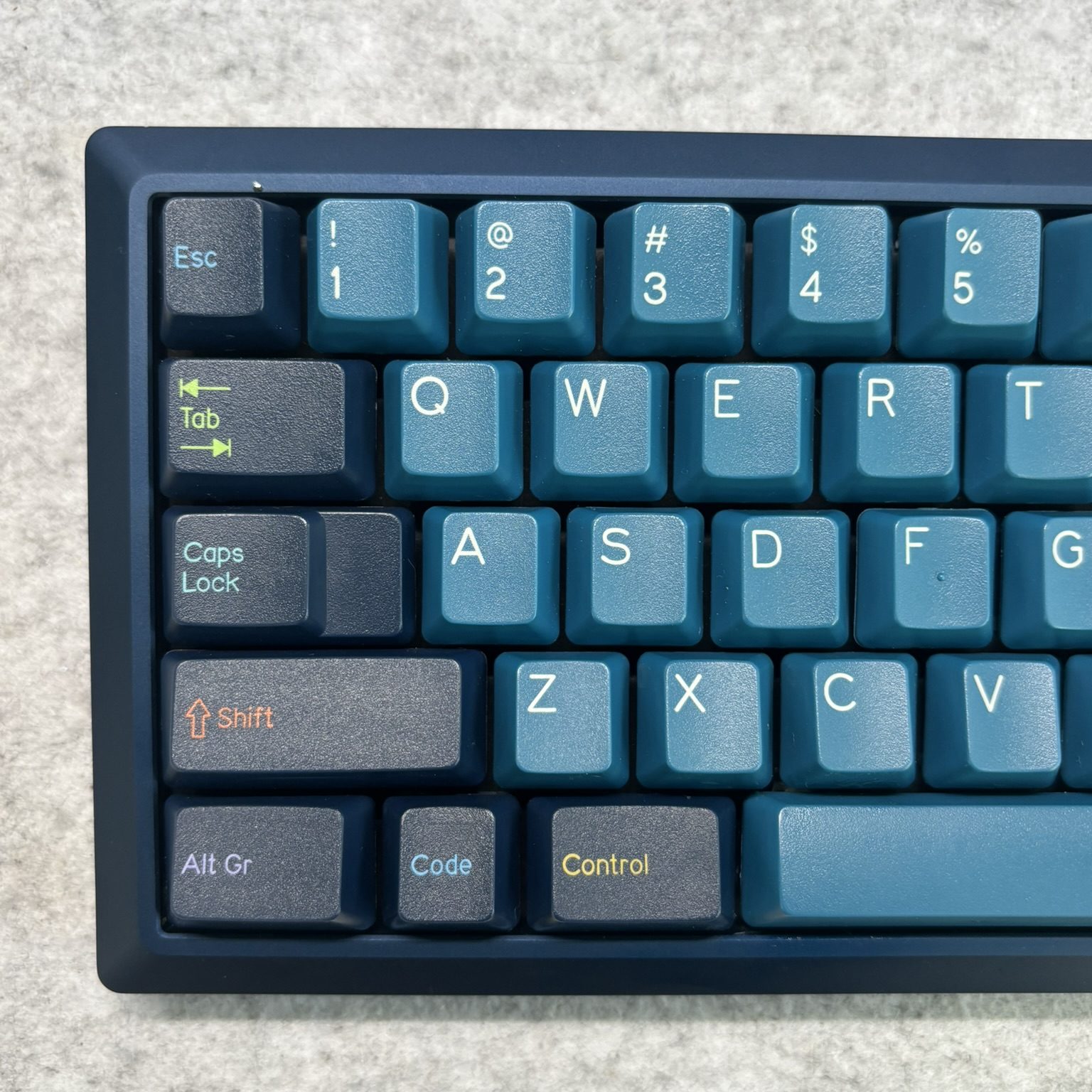
So is it the same as CYL?
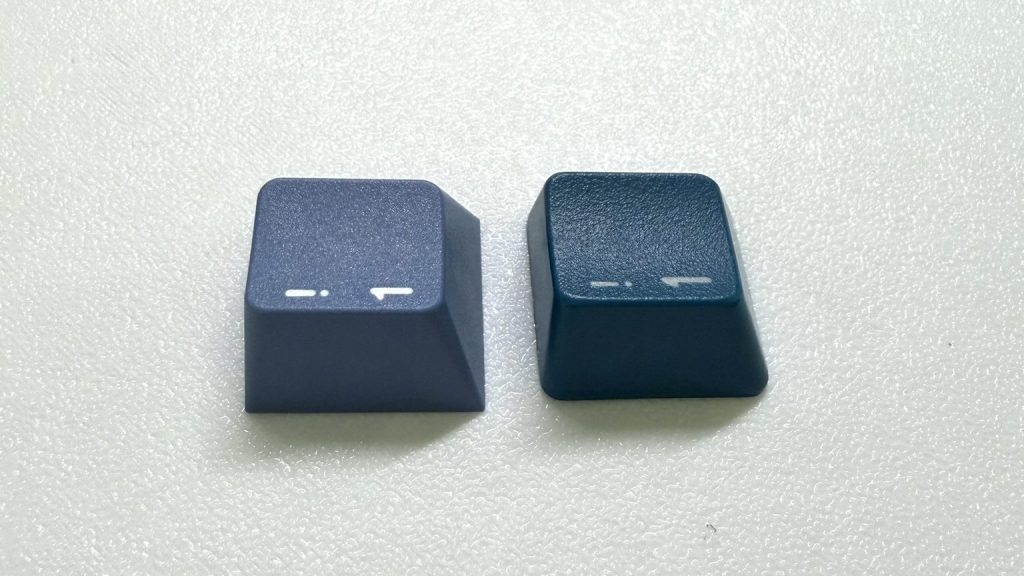
Whenever I hear chat about DCS, it’s often comparing DCS to “Cherry”/CYL profile. That makes sense! Both are medium-height, sculpted profiles with cylindrical divots, and both are often-to-always made in ABS. And the sculpt is very similar, though DCS’s angles are slightly sharper, especially on R4 and the spacebar.
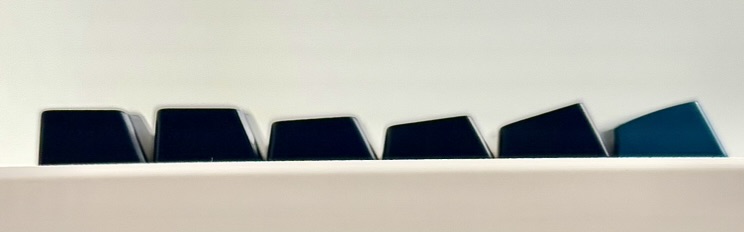
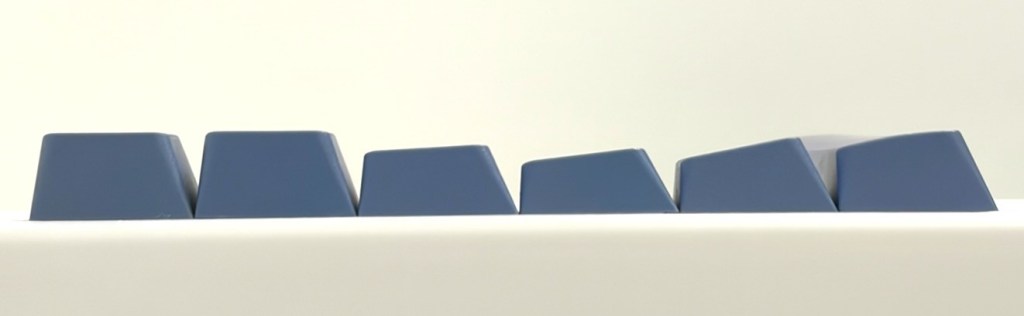
The cylindrical divots are also very similar, though DCS’s is maybe a bit deeper and its edges rounder.
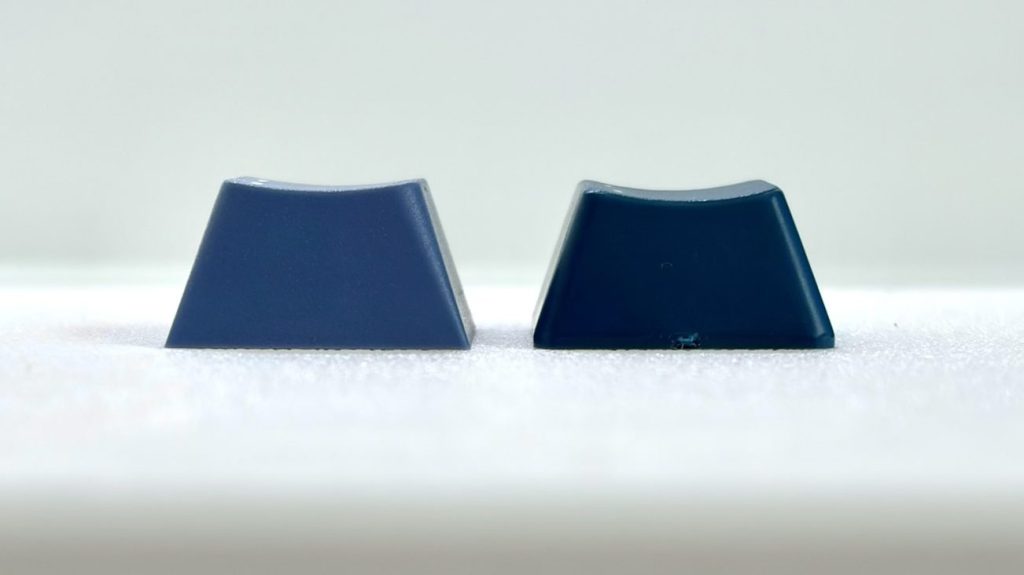
There are a few differences, though. Some of them are small, like DCS’s rounded corners versus CYL’s sharper ones.
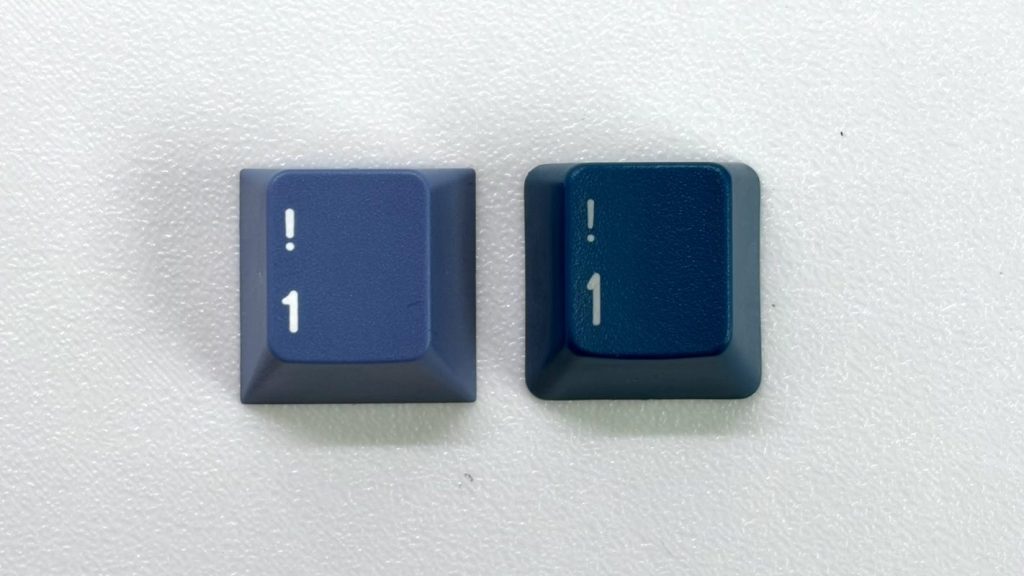
DCS’s texture is also more pronounced than CYL’s.
Another difference is wall width, which affects both weight and sound profile. DCS’s thin walls make it lighter than CYL; by my measure, CYL’s walls are 1.48mm thick and DCS’s are .83mm thick. And a 1u x 1u R1 DCS keycap weighs .91g whereas a 1u x 1u R1 CYL keycap weighs 1.13g.
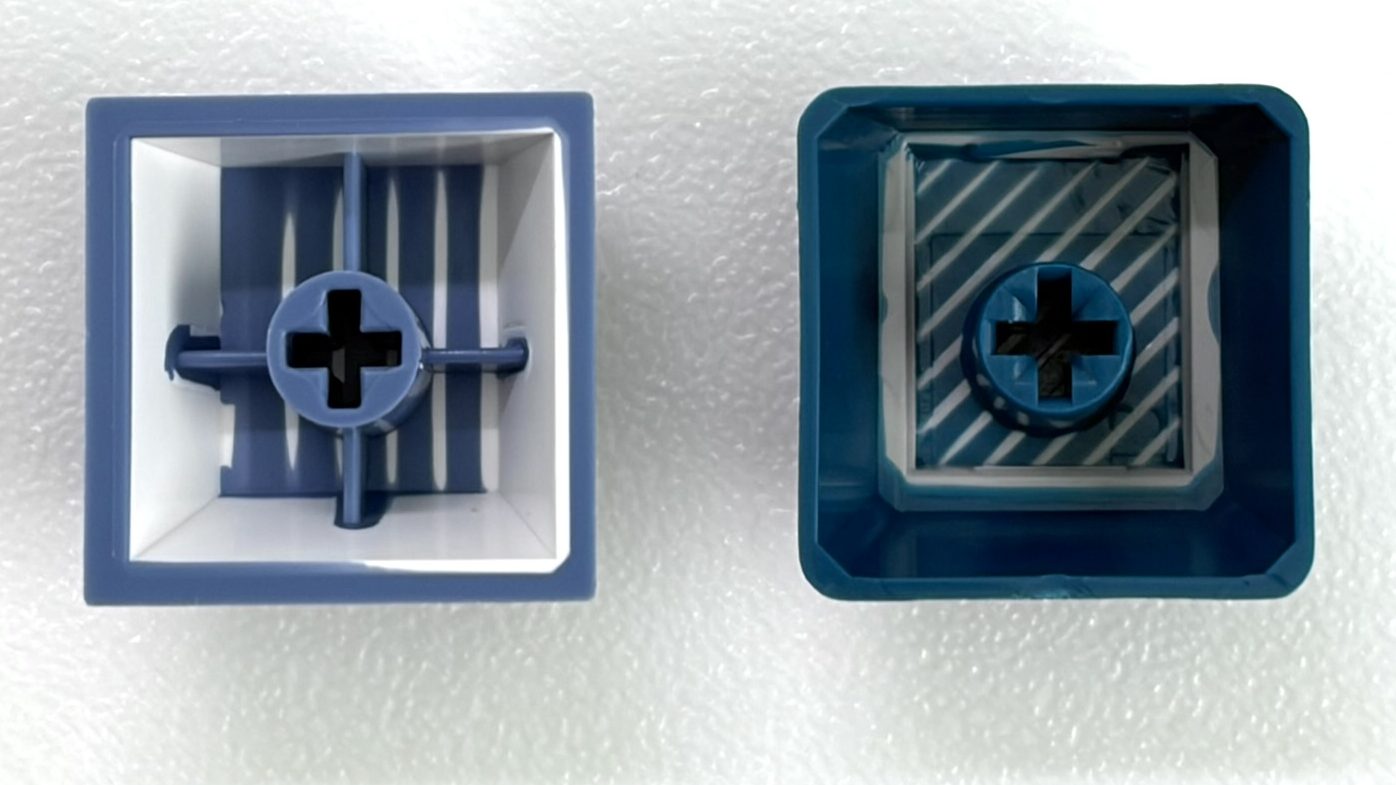
These thin walls give DCS a lighter feel and higher sound signature.
Finally, CYL uses a proprietary font that is similar to Helvetica Rounded, and it uses a mix of text and symbols on its modifiers depending on the set.
Takeaway
DCS and CYL have a lot in common, but DCS has its own sound and feel. If you like CYL but want something more #sculpted, #lightweight, #high-pitched, and #textured, you should give DCS a try.
 Snacks Clacks
Leave a comment